
Gracious Bridal Design House
GB Design House began as Gracious Bridal in 2006 by mother/daughter duo, Brenda Cascio and Audrey Craig. Over the years, through requests from clients, the bridal-centric business also encompassed corporate and event marketing and branding. Event planners, both large and small, come to GB Design House to add a custom touch to their events. Their forte is creating fabulous details for ALL events.
Grateful that Audrey spent some time chatting about her endeavors. Use this link to listen in: Celebrity Interview - Audrey Craig/Brenda Cascio of GB Design House
To see all of their products, visit: Gracious Bridal Design House - Party Personalized
Weather Vane Creamery
WeatherVane Creamery is a specialty cheese shop and café based in River Falls, Wisconsin, founded by Sarah Kowal. The concept blends farmstead, artisan, and specialty cheeses with organic, small-batch churned scooped ice cream, gourmet sandwiches, and other unique Wisconsin-made products.
To learn more about Sarah and the business, visit: Celebrity Interview - Sarah of Weather Vane Creamery
More details on this business can be found at: WeatherVane Creamery | NOT Your Grandma's Cheese Shop! | WeatherVane Creamery
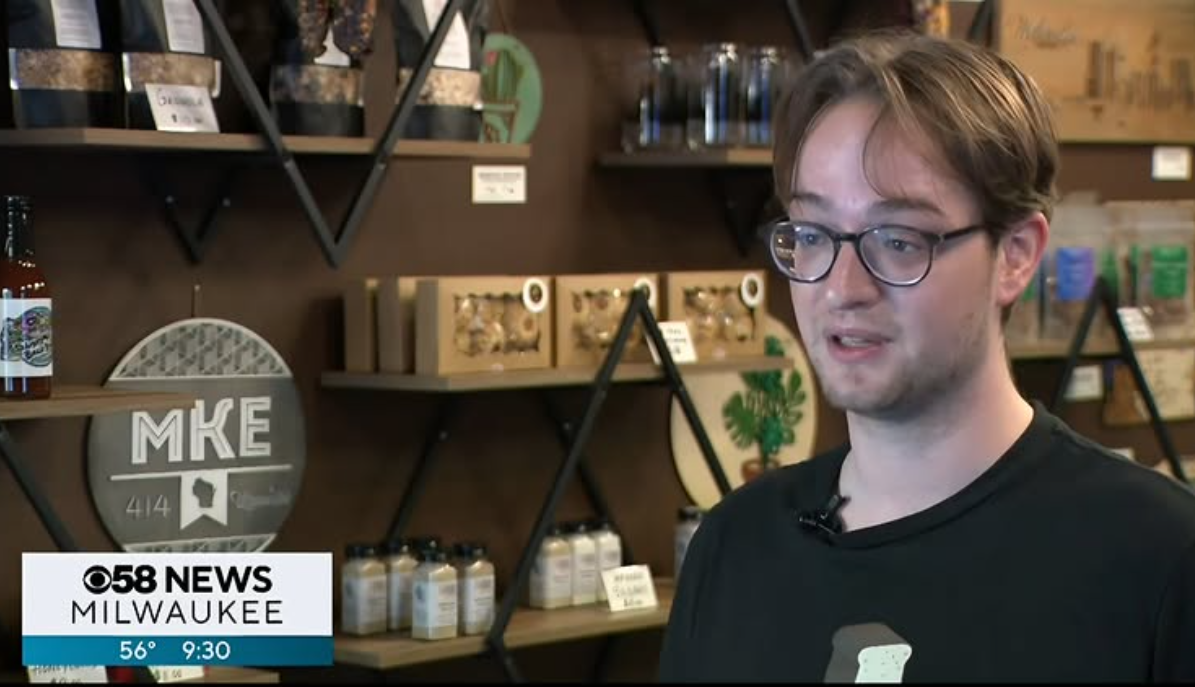
HOW PASSION TURNED INTO A POSITIVE FOR MILWAUKEE
Peter founded Day Bread Bakers in 2025. What started as a side project centering around his love for Japanese culture became his passion and true labor of love. He realized that there was a lack of fresh, locally sourced bread in the community, and so he embarked on creating recipes for remarkable Japanese milk bread. This is a premium, luxury bread brand that is prepared with precision, patience, and respect for the process. Just a year later, he is soaring with success. Read below to learn more about this brand.
1. I realize that your love for Japanese culture likely stems from the fact that your wife is from Japan. However, do elaborate further on some of the finest things you feel folks should experience in Japan?
My love for Japan stems from a lifelong connection. I have a second cousin who has lived there for over fifty years, and his children—my family—grew up immersed in the culture. I grew up hearing stories of 'Uncle' Mike’s life there, which planted the initial seed. In third grade, my teacher, Mrs. Williams, spent a week on Japanese history and culture. I was captivated by how perspectives were almost 'flipped' compared to my upbringing in the U.S.—specifically the deep emphasis on respect, dedication, and a commitment to excellence. Like many of my peers, I was later consumed by Japanese media, but as I entered Art School, that interest matured into an appreciation for Wabi-sabi (the beauty of imperfection) and Mokume Gane (wood-grain metalworking).
My wife and I shared this appreciation, so we honeymooned in Japan and discovered the incredible world of Japanese bakeries. If I had to recommend one experience, it is Hokkaido. The northernmost island offers a captivating beauty and a food culture crafted with unparalleled care and standards.
2. Educationally, you earned a degree in Metal and Jewelry Arts. Have you been able to utilize these studies in some portion of your profession?
I have! My Bachelor of Fine Arts in Metal and Jewelry Arts has served me across the creative, STEM, and entrepreneurial worlds. I have worked as an apprentice blacksmith at Milwaukee Blacksmith, a polisher and goldsmith at Kessler's Diamonds, and a Quality Technician in the engineering department at Waukesha Foundry. Those studies in precision and craftsmanship translate directly to the science of baking.
3. Full time employment is significantly different then self employment. You left your job to pursue your passion. Are there benefits you had at the foundry that today you regret sacrificing?
To be 100% transparent: I do miss the steady paycheck! I also miss the camaraderie of working alongside some of my best friends from high school at the foundry. There is a certain comfort in a set schedule and knowing exactly what your week looks like. While self-employment offers incredible freedom, it comes at the cost of predictability and stability.
4. I recently read that La Boulangerie placed their milk bread throughout the Costco chains. Do you have a plan for future placement of your products in restaurants or grocery stores?
I was not aware La Boulangerie had hit Costco, but am not surprised—Japanese-style milk bread is a major trend. Currently, our bread is available at Sugar Studio in West Allis, Farmers Market To Go in Brookfield, and via Market Wagon. We also supply Uncle Wolfie’s Breakfast Tavern in Milwaukee for their French Toast, which is one of my proudest achievements to date. We have been in talks with a popular local grocery chain about shelf space this summer, so keep an eye out! While I would love to be in every store in Wisconsin, getting into even one location is a major uphill battle for a business that is only fifteen months old.
5. Dry Break Bakers creates Japanese style milk bread and matcha buns, which contain ingredients from Wisconsin. How much of your recipes incorporate the magic of Master Baker Satomi Suzuki? I see you offer gluten free options, but how do you handle those who suffer from allergies?
After studying with Master Baker Satomi Suzuki, my entire approach shifted. She gave me her recipes and her blessing to 'spread the joy of Japanese baking in America.' However, my recipes aren't a 1:1 copy. Traditional milk bread uses only the endosperm (white flour), but I wanted to incorporate the 'magic' of Wisconsin. I use organic, stone-milled local wheat and raw honey. By adapting Satomi’s techniques to these local ingredients, our bread has more flavor, fiber, and nutrition. It honors the Japanese spirit of local sourcing while creating a unique Wisconsin flavor profile you won't find anywhere else. Regarding allergies: Gluten-free bread is difficult to master, and I am currently redeveloping that recipe. We are very transparent that while we decontaminate all equipment before GF bakes, we operate in a facility that handles gluten. We provide all the information so customers can make the best choice for their health.
6. Do tell how your partnership with the Sugar Studio came to be, and will you be sharing space within other Milwaukee locations someday?
The owners of Sugar Studio, Travis Martinez and Whitney Smedema, have been incredible partners. I outgrew my home-based cottage bakery in the first ten months, and moving into their commercial kitchen allowed me to become a fully licensed bakery. Someday, I would love to have a standalone bakery in a setting like a public market—somewhere with high foot traffic where we can bake fresh and sell out every single day.
7. Besides the brand itself, your business stands out by offering classes to consumers. Could you summarize what you teach, and also the applicable age group for participation?
We teach the basics of making milk bread in your own kitchen. I provide the stand mixers, tins, and ingredients, and we dive into the importance of ingredient quality. I truly believe anyone can learn to bake, so these classes are designed for all age groups.
8. I am so impressed whenever small businesses give back. You have the Pay it Forward Bread to help others whose finances may not afford them as much as they need. Tell us more about this, and how you determine who you assist?
Our Pay It Forward program is 100% community-funded. I don’t hide the fact that our bread is a premium, artisanal product, but it didn't sit right with me that the price tag might exclude those facing food insecurity. I adopted a model from a local cafe: customers can donate to a fund, and if someone needs a loaf, they simply ask—no questions asked. Whether at a market or via home delivery, the retail price is deducted from the fund. It is an honor-based system that works beautifully. Often, people who received a free loaf when they were struggling come back months later to donate to the program once they are back on their feet.
9. Lastly, will 2026 find you adding to the line of merchandise you sell in person and online? Biggest goal for this year?
It’s funny you ask! This week, I am receiving a test batch of t-shirts, tote bags, and hats to expand our merchandise. My biggest goal for 2026 is to hire our first employee. After an amazing first year, I want to focus on optimizing our systems and maximizing our current sales channels before we grow too quickly. I want to build a foundation that lasts. More details on Day Bread Bakers can be found here: Day Bread Bakers | Enjoy Fresh Bread – Support Our Community
KENNY BOLLWERK FIGHTS TO KEEP NYC RODENT FREE
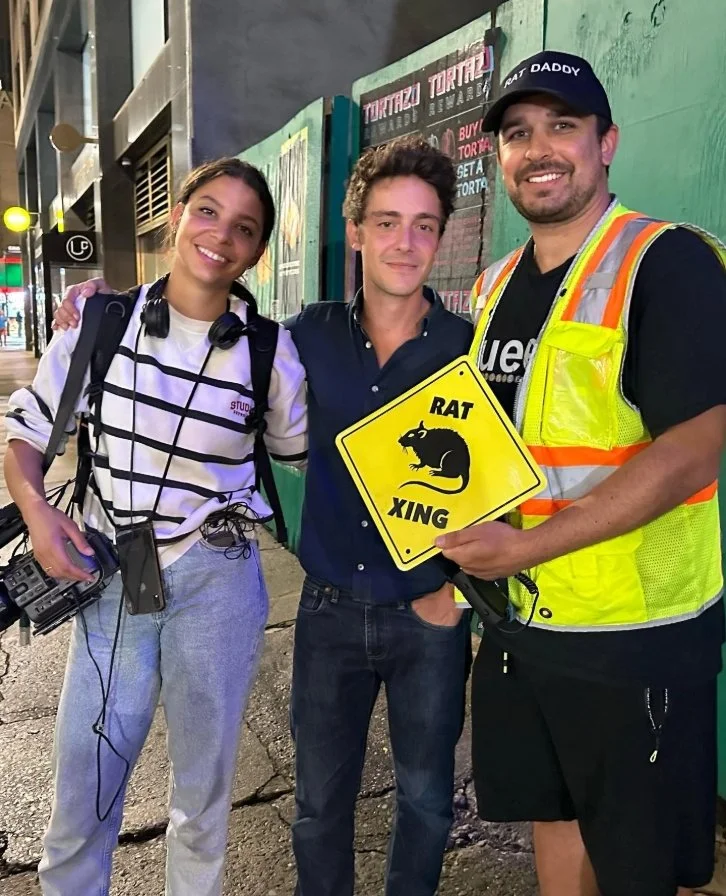
Self-described ‘Rat Daddy’ has taken New York by storm with his tours of the city’s infamous rat population. Both residents and tourists take his tours of the city's most rat infested areas. He follows what he calls the "rat map", which is a public database from the mayor’s office that identifies the with the highest number of rat complaints and problems. He has has filmed the polarising rodents dashing across sidewalks, climbing trash cans, and every now and then, crawling across bodega snack displays. Bollwerk’s videos - often set to instrumental music - typically have him narrating the rats’ activity, detailing what they’re up to and where they’re headed.
Follow him here: HOME
Here is our interview: Interview with NYC's Rat Daddy, Kenny Bollwerk
Gluten Free and Glorious Advocates For Healthy Lifestyles and Landers for All
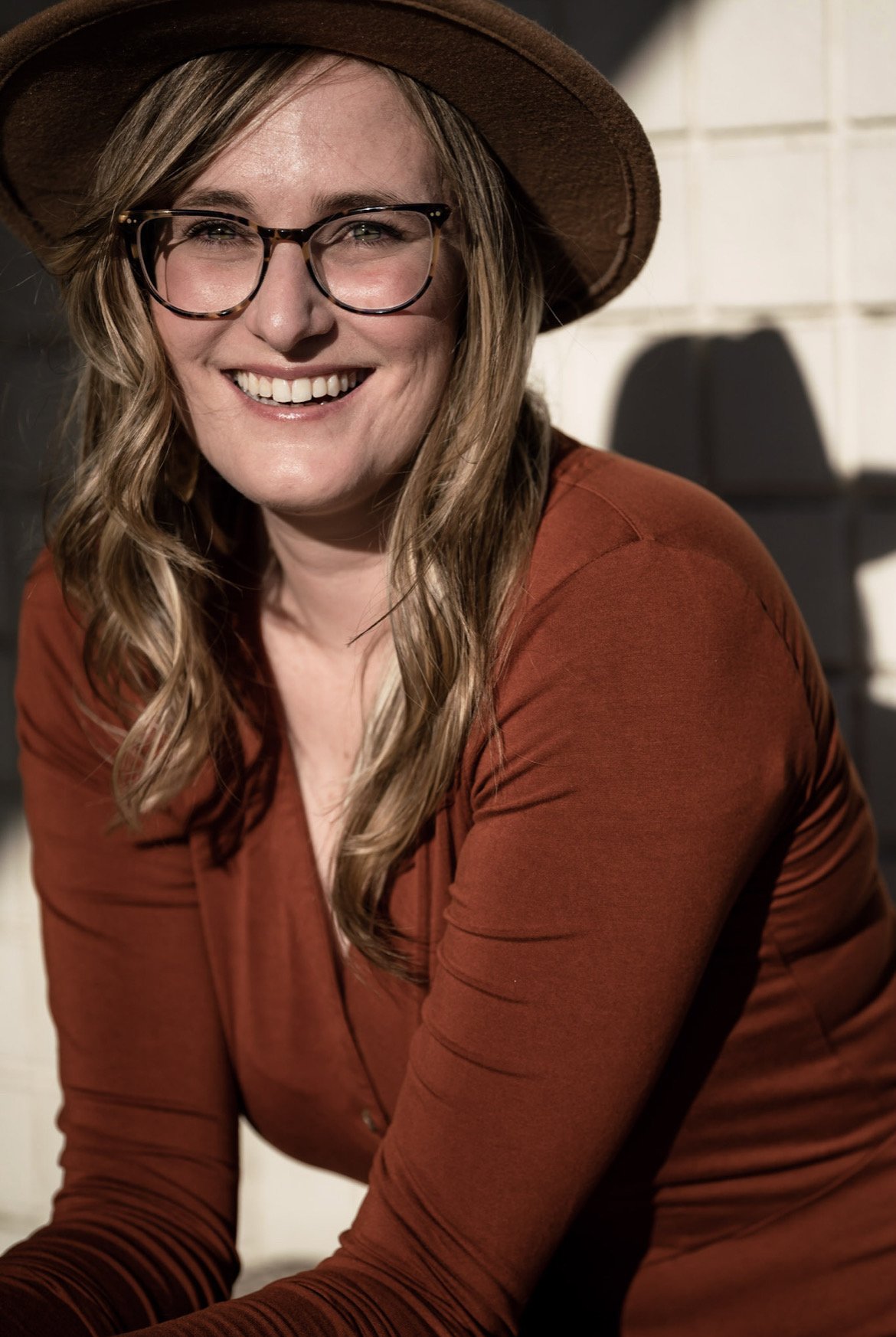
Emily has been gluten-free since around 2012, and celiac disease runs in her family. Her own diagnosis journey was long and frustrating — and when she finally got answers, no doctor gave her the tools or resources she needed. That’s why Emily started Gluten Free and Glorious: to connect with the gluten-free community, share what she learned, and help others navigate this lifestyle with a little more ease and joy. Grateful she shared her wisdom with me today.
You took some time and moved away from Albuquerque, which was your home state. You then made a return four years ago. Was this specifically due to personal reasons or?
My husband and I decided to move back to be near family and to purchase a house, which is an impossible feat in Los Angeles. Fun fact, my husband and I met while working at Yanni’s in Albuquerque, which has since closed. We did not start dating until a few years after I left New Mexico so I dragged him to Los Angeles with me. We both have family here and love New Mexico. I had not yet been diagnosed with celiac disease when I left New Mexico, and once I was diagnosed and would visit I would have a really hard time not being able to eat all the food I grew up with and loved.
From 2012 to present day, you have suffered from celiac disease, which I see runs in your family. For those unfamiliar, celiac disease is an autoimmune condition triggered by ingesting gluten - resulting in damage to the lining of the small intestine. It can present with over 200 symptoms, including anemia, neurological disorders and osteoporosis. What was your reaction upon diagnosis, and did you conduct research so as to plan out your path?
I likely went undiagnosed celiac for many years, certainly in high school and was finally diagnosed while in college. Coming to the diagnosis was not easy and required a lot of my own research. While I had already sort of recognized wheat as a problem, my mom was the first to suggest celiac after she got together with a cousin of ours on the celiac side of the family. It was a relief to finally get a diagnosis and took a few years to figure out what it would mean for me and to finally heal my gut.
After years of constant nausea and poor health, I am so grateful for my health. Starting my gluten free blog and social media pages was a huge part of the learning journey because no doctor explained to me what gluten was or the complications involved in remaining gluten free with celiac disease, particularly around avoiding cross contact and reading ingredients.
I see that you have elected to stay on a strict gluten free diet, and this makes for both uncomfortable food and financial choices. For you personally, would you say that the advantages outweigh the disadvantages? Could you share with readers on how you determine what, when and how often you consume certain foods?
Staying on a gluten free diet is not a choice with celiac disease; it’s the only current management against the disease. No food is worth risking my health, especially after years of feeling so sick. I am a mostly symptomatic celiac, so more times than not I will feel ill as a result of ingesting gluten. There are some that are asymptomatic. I imagine it is harder for them to justify giving up foods they like, but for me it was a no brainer if I wanted to feel better. People with celiac disease can vary on how they approach their diet, but the minimum requirement is avoiding gluten.
Cross-contact with gluten is also something to avoid as research has shown that anything above 20 ppm of gluten (less than a crumb) can cause celiac symptoms. Even for those that are asymptomatic, the gluten is still damaging your intestines. Cross-contact is when a gluten free food encounters or is exposed to a gluten-containing ingredient. This makes it unsafe for people with celiac disease to eat. I am pretty strict with cross-contact. I will avoid, when possible, shared fryers, cooking surfaces etc. This can make it challenging to travel, eat out or eat at people's houses.
You opted to create the website, Gluten Free and Glorious, which contains gluten-free products, recipes and dining options. Do tell, how do you go about the selection process for coverage?
I update my social media more than my website, but I do update blogs based on travel experiences and the occasional recipe I want to share. My page is really inspired by day-to-day celiac living. I share gluten free products, celiac awareness, meals, and the little lessons I learn along the way. My followers inspire me as well with their comments, messages and emails. I have two other social media pages, Gluten Free Albuquerque and Gluten Free Costco. My website serves as the hub for both. Most popular on my website are the comprehensive lists of gluten free options in Albuquerque, Santa Fe and Rio Rancho. I have loved connecting with the gluten free community in New Mexico!
I read this when researching you - and found it a bit out of the ordinary. You do, at times, eat products that do not have a gluten free label? That seems somewhat unusual for a gal who is very pro gluten free, yes? Can you explain the theory behind this, and have you encouraged others to do so?
I would say there are celiacs who have been around for a long time that also eat foods not labeled gluten free but contain no gluten. There is even a celiac dietician I follow who talks about this. Certainly not everyone lives this way, and I would never tell someone how to navigate their health. I am just sharing what works for me and inviting a new perspective. I’m in good health, and that matters to me.
Recently I did a poll around Taco Bell, which I would not find to be a safe option due to their own reports and risk of cross contact. I was shocked to see how many celiacs eat Taco Bell. I have learned that it is not a one-size-fits all solution when it comes to managing this disease. There are inherent risks in many different areas of managing celiac disease, and each person has different areas they are willing to exercise levels of risk in their life, celiac or not.
I used to only eat certified gluten free foods for the first several years, which had a large impact on my mood and quality of life, not to mention there just were not the options we have today ten plus years ago. There is research around food allergies, celiac disease and the psychological impact, which can be quite significant. Anxiety, depression, eating disorders and social anxiety are not uncommon around celiac. When I first went gluten free, I was so terrified of getting gluttoned and feeling as sick as I once did that I ate very clean. It really had an impact on my mental health. For many years I have enjoyed some food that contains no gluten ingredients but does not necessarily have a gluten free label, certified or otherwise. I certainly aim to mostly buy gluten free as this can be risky for many celiacs because unfortunately gluten is not a top allergen in the USA and therefore can be hidden in some ingredients like “natural flavors”, which may contain barley unless labeled gluten free. Barley is not a top allergen but does contain gluten. My motto around this is “probability, not possibility”. There are certain ingredients like natural flavors I avoid unless the product is labeled gluten free.
There is legislation on gluten free labeling that I have blogged about and I hope people will send letters to their legislators so we can follow in the steps of many other countries who already do this. We have to bring about change by using our voices. I have sample letters and directions on my blog for those who want to contact their legislators. It’s easy!
Back to gluten-I have gotten very good at reading ingredients and knowing which foods to avoid based on these types of ingredients. When I’ve been gluttoned it is generally because of my own stupidity. Live and learn! That was because of manufacturing cross-contact or shared equipment with gluten, which is also a concern, I try to research products not labeled gluten free and containing no gluten ingredients. This can involve a google search to see if gluten watchdog has posted about it and sometimes means I am reaching out to the manufacturer to see if the item contains gluten or uses shared equipment. Then, I continue to use the same products when they are deemed okay. Many companies simply do not use gluten free labeling because they do not want to pay for it. It is not a perfect system and mistakes do happen, but it’s rare and my quality of life has improved significantly.
That being said, I always recommend to new celiacs that they stick to gluten free labels while they learn the ins and outs of reading ingredients. I support any celiac who chooses to stick to certified gluten free goods and overall doing what works for their health. Your health, your choice. I do try to move away from fear mongering on my pages. Anxiety around food allergies is quite prominent. As I mentioned, many of us face challenges around managing anxiety with dietary restrictions. This is why it is also important to be informed in your decision making and get regular celiac lab work done to monitor gluten levels.
Might you find yourself one day partnering up with other organizations so as to help other celiac disease sufferers? For instance, nonprofits such as Celiac Canada or the biopharmaceutical company, EVOQ Therapeutics, who are both aiding in efforts to help patients and find new therapies?
Absolutely! I welcome any opportunity and partnership like this. A huge goal with my GFG Instagram is to raise celiac awareness. I do work with brands on my GFG and Costco page but haven’t had the opportunity to work directly with celiac advocacy groups. What I have been able to do is get a Celiac Awareness Day proclamation approved by Governor Grisham for New Mexico.
Some of your upcoming developments are that you are going to be opening an Etsy store and also publishing the Ultimate Gluten Free Handbook. When might we see these becoming available to the general public, and also, might you reveal any details on either of these yet?
I currently have an Etsy shop open, but it is really focused on other passions in my life, but I have plans! I love to craft, will craft on my own and with girlfriends regularly. I recently hosted a coaster making craft event at Bakehouse off the Wheaten Path, a 100% gluten free bakery in Albuquerque. I have directions for how to do this on your own, including supplies needed on my Etsy store. I am debating selling coaster crafting kits if I can figure out the logistics of shipping.
I also have weekly journaling prompts available. With a MA degree in Clinical Psychology, I am a big advocate for mental health and try to give back locally by fundraising and sharing local causes relating to mental health.
Relating to GFG, I am working on a PDF document that is what I call “The Ultimate Gluten-Free Handbook”. This includes practical advice, legal rights, and everyday strategies for a confident gluten-free life. This guide is packed with tools, tips, and resources for every stage of the journey. It is mostly ready and just needs some editing and final touches! I m so excited to share with the gluten free community.
More information can be found here: Gluten Free & Glorious
BLACK BARREL RECORDS AND RECORDING STUDIO
Black Barrel Records (BBR) is an independently owned record label and recording studio headquartered in the historic Conti building at 415 Howe Avenue in Shelton, Connecticut. Founded in 2021 by James Howard, Zach Stout, and Nick Howard, a team with decades of recording experience, BBR is fully equipped to provide bands and artists with high quality, high-tech recording services and hands-on label services, and offers partnerships with its signed artists, as well as artist management for all music types and voice over work. Custom built by its owners, the studio is operated by the company’s Chief Executive Officer James Howard and Chief Technology Officer Zach Stout, who are both musicians, producers, and audio engineers. The newly renovated 1500-square-foot space provides bands with ample room to record, as well as a separate recording room for vocals.
Under the direction of veteran luthier Austin Michaels, Black Barrel Records’ repair and retail shop, which is located in the same building as the studio, was opened with the goal of serving musicians in the New Haven County and Lower Naugatuck Valley area following the closing of Sam Ash. The shop offers guitar set ups and repair services for string instruments, as well as a curated selection of instrument accessories, such as Ernie Ball and D’Addario guitar strings and accessories, Mogami and MXR cables, Dunlop guitar picks, vintage records, band merchandise, and more.
Black Barrel Records’ executives also operate HS Acoustics, which focuses on home and business studio and entertainment center set up services for customers throughout Connecticut. To learn more, visit: Black Barrel Records | Record Label | Recording Studio
To see my interview with Co-Founder James Howard, visit: https://youtu.be/YxNVQzxy4zM

NuvoLearn is an AI-powered tutoring platform designed for K-8 students that was created by Wauwatosa, WI resident Fernando Topete. It provides personalized learning experiences through interactive lessons, quizzes, and comprehensive progress tracking across Math, Science, Reading, Social Studies, and Spelling. This program teaches five core subjects for K-8 students: Mathematics, Science, Reading, Social Studies, and Spelling. Each subject includes grade-appropriate lessons, interactive practice, and comprehensive assessments. What makes NuvoLearn stand out among other tutoring platforms is that it combines advanced AI technology with personalized learning paths, offering real-time feedback, adaptive difficulty levels, gamified achievements, and comprehensive parent reporting - all in one integrated platform. More details the platform are here: NuvoLearn - AI-Powered Learning Platform for K-8 Students | Personalized Education.
To hear my interview with Fernando, use this link: Interview with Fernando Topete - Creator of NuvoLearn