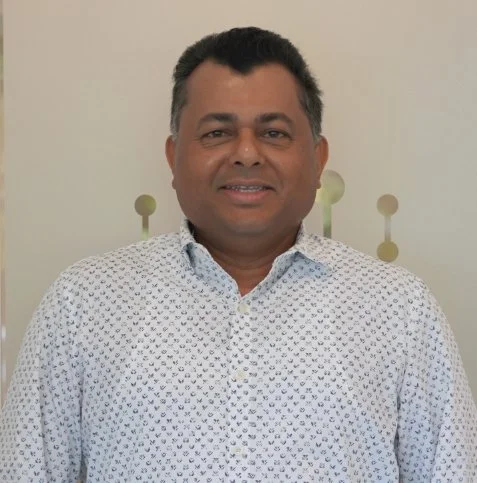
Wesley Ramjeet of MD Logic Health
Wesley Ramjeet, CPA is an accomplished investor, serial entrepreneur, CEO of MD Logic Health and Founding Member of Chairman of Lions Unleashed, a global 501(c)(3) nonprofit providing young immigrants and minorities with the tools and resources needed to excel post-graduation. With over two decades of experience navigating complex business landscapes—from IPOs and reverse mergers to M&A and venture capital—Wesley has built a career on transforming companies and driving exponential growth. Grateful that he was interested in doing this interview.
It is a very infrequent occurrence for me to interview anyone whose previous employer was Ernst and Young. Seems a stretch for you, seeing as how most of your work has been more within top leadership. Please tell us what gravitated you to working with them, and also, did you automatically get to attend the Oscars?
Ernst & Young is actually where it all started for me. I joined while I was still finishing my degree at St. John's University. Accounting gave me the foundation for everything I have done since. When you understand the numbers, you understand how a business really works, and that has served me in every leadership role I've held. What kept me there was the people. They treated me well, they invested in me, and allowed me the freedom to pursue all the areas I was interested in including IPOs, Venture Capital and Strategy. I am still close with many of my former bosses and colleagues today, which says a lot about the culture. As for the Oscars, I hate to disappoint you, but I never got an invitation! I did go to the Grammys with a label I took public.
While doing my investigation on your whole background, I learned that you are currently based in West Palm Beach - and am originally from Guyana. I note that this country is best known for its waterfalls, paradise of wildlife, and rich in cultural tapestry. So, have to ask, what made you want to leave there to build a life in the states?
In one word: opportunity. Guyana is a beautiful country, and I am proud of where I come from. It is the fastest growing economy in the world since the discovery of oil a few years ago. But at that time, there was very little room for career growth. Crime was a serious problem; it was not safe, and there were even food rations. It was a hard time to live there. I have always been ambitious, and I knew that if I wanted to build something meaningful, I needed to be somewhere that would let me. The United States gave me that chance, and I've never taken it for granted.
That is a big part of why I founded Lions Unleashed, a nonprofit that supports young minorities and immigrants in higher education and entrepreneurship. I know what it is like to arrive somewhere new with nothing but ambition. If I can continue to open doors for the next generation the way doors were opened for me, that means more to me than any title.
Chairman, CEO and Co-Founder are common titles for you. A few of your most recent creations and collaborations are PPMT Strategies Group, The Agency Online, and Profit and Planners Management. Even though you sit as the leader, what significant lessons have you learned from your own employees?
As a leader, you never stop learning from your team. One of the biggest lessons is that there is no one-size-fits-all approach to leadership. Different people need to be motivated in different ways. Some want structure, some want freedom, some want to be challenged. If you pay attention, people will teach you how to lead them. My job is to listen, figure out what brings out the best in each person, and then get out of their way so they can do great work.
Presently, you engage in a healthy lifestyle. At one point, you were overweight, had high blood pressure and suffered from Type 2 diabetes. Would you share some of that journey as a chronically ill patient - and at what point you knew that changes were crucial?
For a long time, work was everything. I was so focused on building businesses that I neglected my health and did not think twice about my lifestyle choices. I was overweight, I had high blood pressure, and I was dealing with Type 2 diabetes. It took a passing out in my office and a trip to the emergency room for me to finally wake up. Being put out of commission taught me something I will never forget: you are no good to your team, your family or your companies if you're not healthy. Now my health comes first, because nothing else runs if you can't run.
MD Logic:
MD Logic Health was started in 2005. Could you please list the ways in which you believe your business stands out among others that help supplement the nutritional needs of individuals?
It starts with our philosophy of making the best science-based products. Every ingredient we used is tested multiple times for purity and potency. Our supplement is formulated and tested by our team of doctors, pharmacists, and formulation scientists. That means our blends and formulas are our own, and you won't find them anywhere else. It also means we know exactly what goes into every product. We don't cut corners on ingredients; we use the highest quality. The best testament I can give you is that our entire team takes our supplements. We would not put anything out there that we wouldn't take ourselves.
Your products are a perfect harmony between nature and science. Talk about those you employ to create the ultimate balance within your supplements.
For us, nature and science are not opposites; they work best together. Nature gives us incredible ingredients, from plant-based proteins to minerals and botanicals. Science tells us which forms the body actually absorbs, which doses make a difference, and which ingredients work better together. Our formulation experts look at the research first, and then we build formulas around what the evidence supports. The goal is always a clean, effective product without gimmicks, fillers, or shortcuts.
The items in your catalog are both doctor recommended and pharmacist verified. Is it a complex process to get these professionals to review your creations? I ask this because I know that some physicians are not huge fans of supplements vs prescriptions.
Honestly, it is not a complicated process for us, because it's built into who we are. Shanti Ramjeet, our COO, is an NJ Board-Certified Pharmacist with more than thirty years of experience. Everything we make is researched and verified in-house under her oversight. We also work closely with Dr. Roxanne Carfora, D.O., our Medical Advisor, Board Certified in Anti-Aging and Functional Medicine, who has practiced family medicine for over thirty-five years. She helps develop our formulas and recommends them to her own patients. I understand why some doctors are skeptical of supplements; there is a lot of hype in this industry. That's exactly why Dr. Carfora believes in what we do. There is no gimmick. These are thoroughly researched formulas backed by science and designed to make a real difference.
Your wellness advocates have knowledge and experience that span across multiple specialties, including a few in the media. Do you have specific requirements so as to serve in this capacity?
Absolutely. We are very selective about who represents MD Logic Health ®. Credentials and reach matter, but what matters most is that they share our vision. We look for people who believe in science-backed health and sustainable, healthy living for the long term, not hype. When someone joins our family, their audience needs to trust that the recommendation is genuine, and we take that seriously.
What can we expect from MD Logic Health in the coming year or so?
We have a few exciting launches coming up. The one I am most excited about is our new magnesium formula, which combines nine different types of magnesium in one product. Magnesium is involved in so many functions in the body, and different forms support different needs. So instead of making people choose, we brought them together. Like everything we make, it came from listening to our customers and giving them something that is effective, simple, and accessible. We are also exploring expanding into the Caribbean as we have been getting a lot of inquiries.
More information may be found here: MD Logic Health® | Supplementing Life™ since 2005
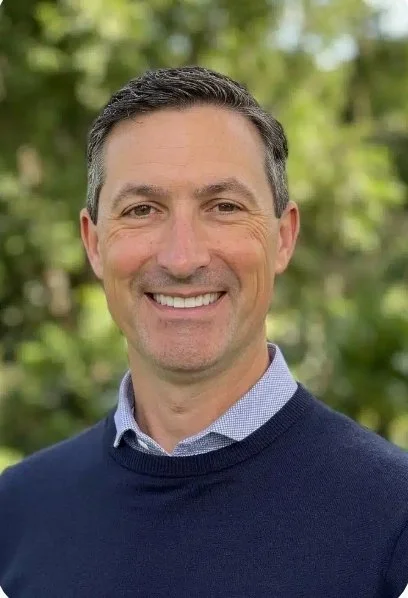
Dr. Joe Sullivan
Dr. Joe Sullivan is a board-certified psychiatrist with a subspecialty in child and adolescent psychiatry. His professional interests include anxiety and mood disorders. He currently serves as the Medical Director at Mind Body Optimization, which is a leading provider of integrative mental health and wellness services in Texas. Outside of work, Dr. Sullivan enjoys spending time with family and doing a variety of outdoor activities. He enjoys golf, hiking, and doing DIY projects around the house.
Today, mental health is a huge issue, and we have a crisis. Most of us are starting to believe that this is getting worse over time. If you could talk for a moment as a person, and not a medical professional, about what is one of the number one things we can do as a community to help others struggling with mental health?
To be honest, someone has not asked me that before. My concern, I think, for people and their mental health is isolation. I think we are connecting online more often and are connecting without even verbally communicating. Our communication has become very unnatural and isolating. I think one of the biggest things we can all do is spend time together. I work on this consciously with my own friends. It is amazing how much that improves all of our mental health. What you can do for each other is to try and find time to reach out to other people. We know people around us that are probably isolating and you would be amazed how much they want to connect. Just be aware that your communication or interaction with someone in a day could really impact someone’s life. Also, monitor your own isolation as well.
One of the things listed on your resume is that you create medical curriculum. From an educational standpoint, how do you feel that this curriculum for medical physicians has changed since when you first started?
Since I first started, the medical community has made a big shift towards their perspective on mental health. This has made a pretty big impact on the type of people that go into mental health. When I graduated from medical school, I didn't go to the office. I was an internal medicine resident for a few years, and distinctly remember my contemplation of switching into psychiatry. I can remember one incident where there was a psych consult placed on an ICU patient. We were all sitting around talking and doing the dramatic eye rolling gesture about how we are going to have psych come in to help - as if this was an entirely pointless addition to the care team. This is how people and my colleagues were seeing psychiatry. I grew up in the 80’s, and mental health was sort of a crazy thing to go into at that time, and certainly in Texas.
This has certainly changed a lot, and evidence to that is the type of applicants that we have now. When I first came into psychiatry, the people that came into the field were smaller in number and the applicants maybe were not as strong on paper. Several years later, when you start moving more into the millennial generation, you see this shift in attitude towards mental health. Now we are becoming one of the more competitive fields to go into and are getting people with the absolute highest grades coming out of medical school. Some are top graduates of the class. It is pretty nice to be able to teach others the importance of this specialty and have such a positive response to it.
Another education question for you. I saw that you are double board certified. A lot of college students have been questioning the validity of how important it is to be fully educated so as to be employed. Now that you are 50 and looking back, would you advise students today to become double board certified themselves?
Board certifications are kind of interesting. Psychiatry is a four-year training program with the second board certification not being a major investment of time, as in it is really only one year. For some fields, the investment to get a second board certification may be doubling your training. Hence, psychiatry is one area that may be worth pursuing this type of certification.
One of the things I have found that I particularly enjoy is working with residents at that stage of their life, and a little more so than maybe even medical students. Medical school seems to be an extension of college. I do not think you change your mindset; it's just harder. Residency is where life starts for those of us that go into medicine. Often, this is the first time you are going to get a paycheck or have your own insurance. You are probably in that close to thirty range. You start to see yourself as an adult for the first time. So, this is an interesting phase to work with people.
Your wife is also a doctor, which means two doctors at the house. How challenging is this when maintaining a relationship? What can you tell us about your wife?
My wife and I met in med school and went through it together. I think in some ways that was probably easier, because I believe the divorce rate for physicians during their training years is kind of high. When I was in training, I would be at the hospital for forty hours every four days. It is a hard thing to ask someone to sign up for during that phase. There were also times where we were on call in the hospital on the same night, or would see each other at the hospital.
My wife grew up with her father being a physician, and I think she also knew what she was getting into better than I did. We also ended up going into very different fields. I am a child psychiatrist by training, and she is a pediatrician. We certainly have overlap working with kids, but, you know, what we do with kids is very, very different. We do have cases that overlapped, and sometimes we have patients that see us both, which is kind of funny. She is probably more interested in talking about psychiatric cases that she had rather than me talking about pediatric cases.
I think my wife is the best doctor I know. She cares so much and will not allow herself to make a mistake. She will hunt things down and has a hard time putting it out of her mind. She gets it right every time. I just think she is fantastic, but she is also her own worst critic. If she would hear me say that, she would say I am crazy. She is also not arrogant at all, which is, of course, likable as well.
I know that you have worked with the Child Psychiatry Access Network. Most people probably are not familiar with them. Talk to me a bit about how you became affiliated with them.
To be clear, I do not work with them anymore. I worked with them since their inception. It was basically an attempt by the State of Massachusetts to help with access to child psychiatry for primary care providers. This is because there is such a shortage of child psychiatry. The idea was to get a network of child psychiatrists that will block time in their schedule to take phone calls from primary care (pediatricians and family medicine). The model then got adopted, and eventually funded by Texas. They broke the state into thirteen regions, and each region is associated with a teaching hospital. The region I was affiliated with was through Scott and White. I covered one day a week, and my day was Wednesday. The idea was if they had a case in their office, they would be able to step out, make the phone call, and act on that advice while the patient is still in the room. As with all things, there has been a subset of pediatricians in this region that really utilize it a lot, and some that just sort of forgot about it.
How long were you at Baylor, Scott and White? What drew you to them?
Well, I left my role completely at the end of March of this year. I had been there for about twenty-one years. I went there to do my medical training, and it is where I did my psychiatry residency. There were not a lot of places to choose from at that time. I basically when to visit and liked it, so it fit for me. It was also kind of close to where I grew up. That was probably the biggest draw for me to go there. Once I arrived and got to interview, I really liked the psychiatrists that were attendings. One in particular, Dr. Meek, became my lifelong mentor, and for my wife, he became like a second father to her. It has also been a good place for my wife and I to work for these past two decades – and is where she still works.
I often find that there are specific reasons why some doctors choose to work primarily with children and not adults. I see your work found you mainly treating children? I read that those you treated were typically struggling with anxiety or mood disorders, or is that in your present capacity?
As a clarification, most of my career has found me working mostly with kids. In my new role, I am supervising nurse practitioners that see mostly adults and some adolescents, but not necessarily children.
So, yes, those conditions are in both age ranges. We saw a lot of kids with anxiety, depression, ADHD, behavioral problems, autism, developmental disorders, and unfortunately, a tremendous amount of trauma. One thing you realize when you go into psychiatry is just how many people are struggling with trauma and abuse in the past. That was really eye opening. It is almost something I have just come to expect people to tell me they have experienced, which is really a sad commentary on the world. Growing up, I felt very sheltered from that. Trauma is often sexual or physical, but also issues such as neglect, neglectful parenting, moving households, divorces that lead to changes in standard of living and strained relationships, or less contact with parents in general.
Mind Body Optimization is an organization that I admire and truly respect. You elect to utilize experts who have had their own challenges. I am gathering there are not a lot of facilities out there doing this.
Mike and Mickala Sisk own the company. They have a passion for this endeavor because their daughter had struggled with addiction. My understanding is that through their own history and challenges of navigating the mental health care system, they felt they could do better than what is currently out there. At the present time, there are locations in Kansas, Texas, Tennessee, Missouri, and Oklahoma.
In doing my homework, I found out about the various services you provide at Mind Body Optimization. What is interesting to me is that you actually do hormone and lab testing, which I guess I found surprising and unique. What are you finding to be the services most in demand?
Mike and Mickala have backgrounds in hormone treatments. They started the Low T Center, which is the first to market testosterone clinics. Next, they opened a Herkare clinic, which is the equivalent for female hormone treatments. We are not delivering hormone treatments ourselves, but we do want to incorporate the idea of the whole mind and body treatment. If there are concerns, we recommend partnering with your own primary doctor or gynecologist to work on that while we work on the mental health.
You also offer virtual services. Since the pandemic, many of us want to be sitting in the office and getting treatments. Do you find that it is still effective, especially in the world of psychiatry, to do virtual options?
That is why we offer both. Practitioners are in office and available all the time for face-to-face appointments. When they work virtually, most of their appointments are in the clinic. They do have maybe a day a week where they can work from home. When we started to do the virtual appointments during the pandemic, clearly there was something lost in that communication for some of our patients (as in child patients) – but not all. Adults are going to have a little bit more attention span to sit and talk to the screen. It is just like everything else in life; you have to find that balance.
For many of the patients, if we get to a point where things are not going well, I advise them to try coming in person. Otherwise, we do a few virtual in a row, then maybe do the next one in person. So, I think there is a higher rate of virtual appointments. We all have busy lives and if you live across town, especially if you're in the metroplex in Dallas, that could be a long commute in the middle of the day, and you miss a lot of work.
You are helping people to find a path to a healthier and happier you. Tell me what you think is a good start to a happy and healthier you.
Well, we start educating our nurse practitioners with this idea of these seven pillars. These include working on your relationships, purpose with people and spiritual awareness. Working on good sleep routines, minimizing substance use, and finding tools to manage stress management, diet, nutrition, and exercise. We feel if you can work on those things, then you can improve your quality of life. We make an analogy that your mental illness or struggles are like climbing a mountain, and I am going to be your guide over this mountain. I can give you more ropes, better shoes, or another harness. I can give you hiking sticks or all the tools in the world. However, you must prioritize your sleep, physical health, and your diet. If you are not going to get out of bed, get your body active, have sunshine, or connect with people – then more ropes are not going to get you on that mountain. You will remain at the bottom of the mountain holding a bunch of gear.
I think one problem in mental health is you see patients with really complicated medication regimens. I always question if that is really helping them or are necessary. If they are not, then let’s work through this and find other ways. There is research that doing thirty minutes of cardiovascular exercise four times a week is as effective as antidepressants to treat depression. I feel I have had better luck getting people active as a psychiatrist when I tell them things like that than I did as an internist. I have had people come back and tell me they are following these recommendations, and things are good. I am so proud of them for prioritizing themselves.
Speaking to somebody who is heavily working with this organization, what benefits do Mind Body Optimization offer to patients that they will not get from other likeminded entities?
First of all, our top priority is mental health. We are not just a subset of a bigger healthcare organization. Regularly, there are offices that struggle with phone care systems, patient portals, or difficulty in getting refills. We put in a lot of effort to make sure that those barriers are removed as much as possible. As to new staff, I and other full-time physicians make sure that the providers hired are the best. We consider if potential candidates hold a high emotional intelligence, are able to relate to patients, engage well with patients and will practice the medicine that we want to practice. Moreover, one of my biggest roles in the company is to institute the education. I have a lot of background in teaching residents starting right after med school that have no real practice in psychiatry to graduating board certified psychiatrists. These are all of our plus points.
For 2026, what are your goals, along with that of the company itself?
There has been a lot of expansion so far this year, including my hiring. We also hired a Chief Operating Officer that came from a large mental health care background. She started a few months ago and the change is very noticeable. We are really putting systems into place that I think are even better than they were before.
If someone reads the article and feels inclined to meet you or visit Mind Body Optimization, how can they do so?
Well, I am happy to meet people. I am out on the road in these clinics all the time – meaning the Houston, San Antonio, Austin and Dallas area. Part of my job is to keep personal relationships with our providers and all of our staff. I will talk to anybody about mental health at any time. If I can talk to somebody and that helps them get help, I am happy.
More details on Dr. Sullivan and MBO are here: Mental Health Treatment Center - Mind Body Optimization
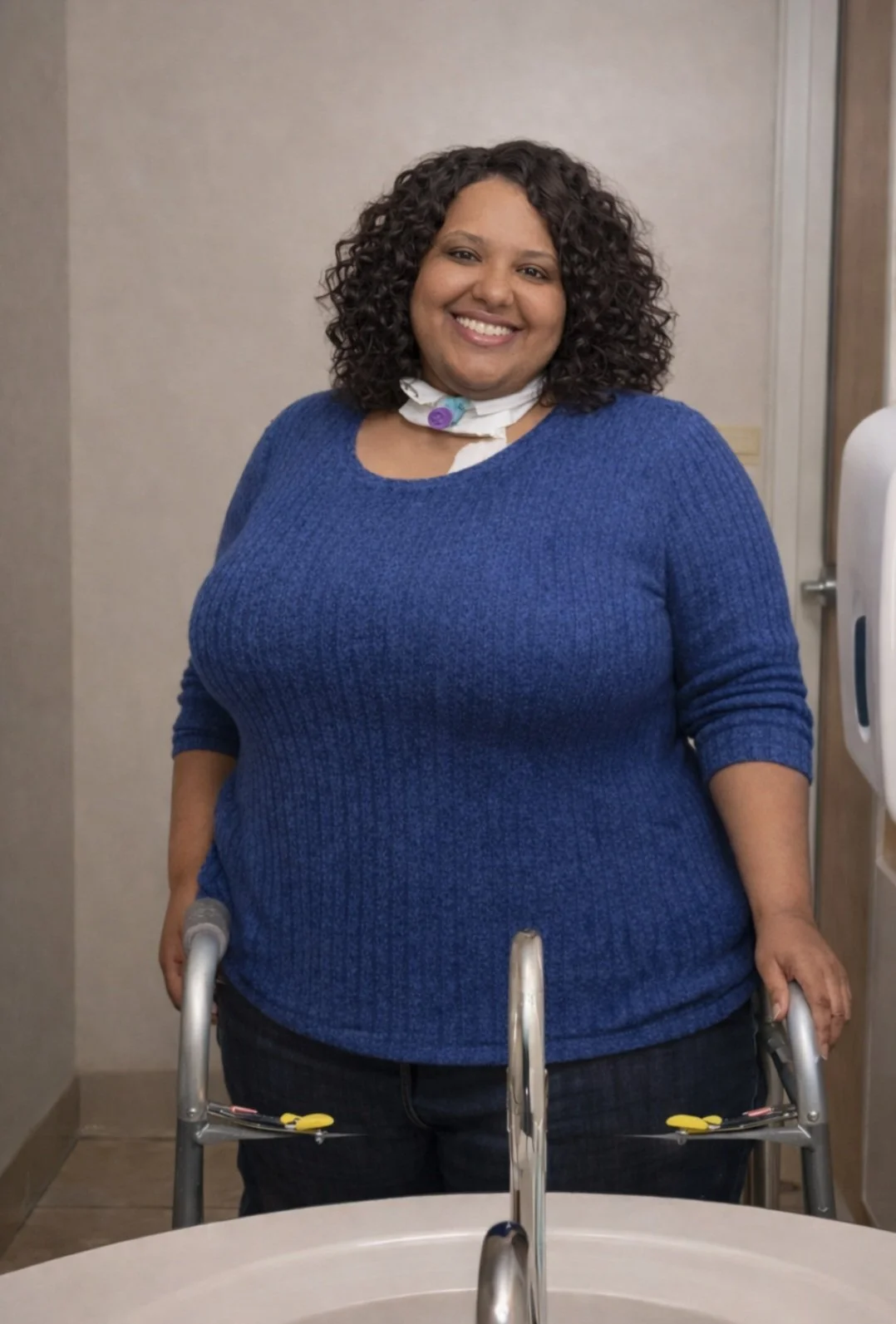
THE STORY OF STEPHANIE PENN’S SURVIVAL
As an entrepreneur and an author, I have always been driven and intentional about building a life that means something, not just for me but for the people connected to me. On July 7th, everything changed in a way I never could have imagined. I woke up unable to breathe and called 911. By the grace of God, I had unlocked my door before I passed out. I later learned that I had gone into cardiac arrest and my heart stopped for somewhere between 15 to 20 minutes. During that time, my kidneys failed, and to this day they have not fully recovered, and I am now on dialysis. Just being here to tell this story is nothing short of a miracle.
What followed was one of the most difficult seasons of my life. I was placed in a medically induced coma and connected to more than ten machines, unable to breathe on my own. A major organ had already begun to shut down, and I experienced seizure like tremors that left doctors unsure of what my condition would be if I ever woke up. My body was severely swollen from fluid retention to the point where I was unrecognizable to some. My life was truly hanging in the balance. When I woke up in August, the fight was far from over. I had to relearn how to do the simplest things like walking, talking, writing, eating, and even holding objects without trembling. At one point I could not stand on my own, and eventually I was using a walker just to get around. It was frustrating and overwhelming at times, and I found myself asking why this had happened to me. But through every moment, God, my family, and my community carried me. Despite what doctors feared, I woke up mentally sharp and still myself. Day by day, I kept pushing forward. Not perfectly and not always gracefully, but faithfully. Today I am continuing my recovery with strength and gratitude, committed to living a healthier, fuller, and more purposeful life. This experience changed me, strengthened my faith, and reminded me that my story is bigger than me. I know there is purpose in what I have been through, and I intend to walk it out every single day.
Dr. Robin Williams
Dr. Williams is an Assistant Professor of Pediatrics in the Division of Hematology/Oncology at the University of Minnesota. Dr. Williams cares for children, adolescents, and young adults with leukemia, lymphoma, and other more rare hematologic malignancies. Within this patient population and alongside Dr. Shane McAllister in Pediatric Infectious Disease, she co-founded a comprehensive clinic in 2020 for solid organ transplant (SOT) patients at risk for EBV related complications including the development of post-transplant lymphoproliferative disorder (PTLD). The goal of the clinic is to give uniform and data driven evaluation for EBV DNAemia and monitoring guidelines for diagnosing PTLD. The clinic regularly follows EBV positive SOT patients within the first two years of their transplant and any SOT patient with symptoms or imaging concerning for PTLD. Dr. Williams also heads a research laboratory focused on improving T cell immunotherapy against hematologic malignancies with an emphasis on refining T cell function in the central nervous system and developing new targets for chimeric antigen receptor (CAR)-T cell therapy.
I had the pleasure of speaking to Robin about her various accomplishments, as well as her experiences treating a patient with Idiopathic multicentric Castleman disease (IMCD). Truly moving and memorable interview.
To watch, go to: Interview with Dr. Robin Williams
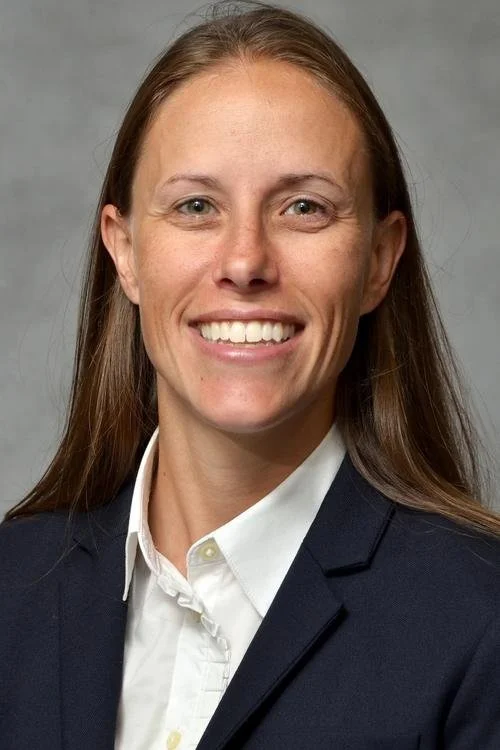
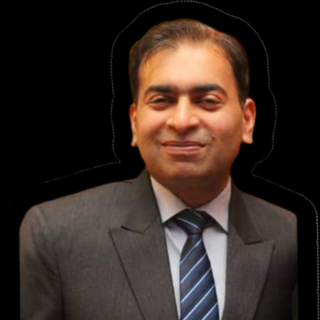
Dr. Jawad Mustafa Is On A Mission To Help Females Stay Healthy
Dr Jawad Mustafa is an OB-GYN Ultrasound Consultant and Breast Health Coach. He is also the Founder of Bebreastaware, which is a non-government, non-funded organization for breast health and cancer awareness. He has a strong desire to educate and motivate women to be proactive and learn methods, ways and tips to reduce the avoidable risk factors for breast cancer development. I feel fortunate to be given time to speak with him.
1. I am aware that you work both in the area of obstetrics/gynecology and are a family physician. Talk to me a bit about the plus points, as well as a bit of the hardship, involved within each specialty. Moreover, at what point in your life did you decide that medicine was going to be your future?
Merging obstetrics/gynecology with family medicine has enriched my practice with the ability to offer comprehensive care. In OB/GYN, the joy and complexity of guiding women through significant life stages is unparalleled, requiring a blend of technical skill and empathy. Family medicine, on the other hand, allows me to care for patients across all life stages, building lasting relationships and addressing a wide spectrum of health issues. Each specialty comes with its unique challenges. OB/GYN demands precision and emotional resilience, especially in high-stakes situations like childbirth and surgery. Family medicine requires a broad knowledge base to manage the diverse health needs of families over time.
My journey towards medicine was inspired by a deep-rooted desire to make a positive impact on people’s lives, a decision solidified early on through my academic pursuits and personal experiences. Witnessing the profound difference healthcare can make reinforced my commitment to this path.
2. While conducting some research, I saw that Pakistan females have had non-resolved reproductive and mental health issues for a number of years. In fact, the country has the highest incident rate of breast cancer in Asia. In order to properly accommodate the aforementioned needs of this population, what do you feel needs to happen?
Addressing the reproductive and mental health issues, along with the high incidence of breast cancer among Pakistani women, requires a multifaceted approach. First and foremost, there needs to be an increase in public health awareness. Education plays a critical role in this regard, not just in disseminating information about these health concerns but also in breaking down the stigma associated with them. By educating women on the importance of regular health screenings, including mammograms, and providing information on reproductive health and mental well-being, we can empower them to take charge of their health. Secondly, access to affordable healthcare is paramount. This includes not just the availability of medical facilities but also ensuring that women have the means to reach these facilities and can afford the care they receive. Implementing community-based programs that offer free or low-cost screening and treatment options could significantly impact this issue. Furthermore, training healthcare professionals to specialize in women's health issues, especially in rural and underserved areas, is essential. This could be achieved through government initiatives and partnerships with private and non-profit organizations. Lastly, there needs to be a concerted effort to involve men and community leaders in these conversations. Gender norms and cultural practices often hinder women's access to healthcare; thus, engaging the whole community in dialogue and education efforts is crucial for change.
3. I understand that the term breast cancer is relative to sexuality, which then can then make the subject taboo in this culture. Do you think that this has any impact on women's choices when treating this type of cancer? I also read another story where a cancer patient stated that members of her community actually said she was to blame for getting this disease. How would you address these critics?
Certainly, cultural perceptions and taboos surrounding breast cancer can significantly impact women's decisions regarding its treatment. In societies where sexuality is a sensitive topic, diseases affecting sexual organs, like breast cancer, often become shrouded in stigma. This, unfortunately, can lead to delays in seeking treatment, reluctance to discuss symptoms openly, and even refusal of life-saving interventions due to fear of social ostracization or misunderstanding about the nature of the disease.
The misconception that the patient is to blame for their illness is another profound barrier to effective care. This blame can stem from a lack of awareness about the causes of cancer, attributing the disease to moral or personal failings rather than biological and environmental factors. To address these challenges and critics, a multi-pronged approach is necessary:
1. **Education and Awareness**: It's crucial to increase awareness about breast cancer's nature, emphasizing that it is a medical condition requiring professional treatment. Education campaigns should also debunk myths regarding the causes of breast cancer, highlighting that the disease can affect anyone, regardless of their moral standing or behavior.
2. **Community Engagement**: Engaging community leaders and influencers in the conversation about breast cancer can help change perceptions at a grassroots level. When respected figures in the community speak openly about the importance of breast health and cancer screening, it can normalize the conversation and reduce stigma.
3. **Support Networks**: Creating support networks for women affected by breast cancer can provide a safe space for them to share their experiences and receive emotional and practical support. Knowing they are not alone can be incredibly empowering for patients navigating their treatment journey.
4. **Advocacy**: Advocating for policy changes that protect and support cancer patients is vital. This includes ensuring access to healthcare, protecting patients' rights, and implementing educational programs in schools and communities to foster a more compassionate and informed society.
By addressing the cultural taboos and misconceptions head-on through education, community engagement, and advocacy, we can create an environment where women feel supported and empowered to seek treatment for breast cancer without fear of stigma or blame.
4. Can you tell us some of the best ways that a woman can possibly prevent getting a fatal diagnosis, or even just live a healthier life? Have you heard of any substantial new advances in the area of breast cancer cures?
Preventing a fatal diagnosis of breast cancer, or living a healthier life in general, involves a combination of lifestyle choices, regular screenings, and being informed about one's health. Here are some key strategies for women:
1. **Regular Screenings**: Early detection of breast cancer significantly improves treatment outcomes. Women should follow recommended guidelines for mammograms and clinical breast exams. Those with a family history of breast cancer may need to start screenings earlier or have them more frequently.
2. **Healthy Lifestyle**: Maintaining a healthy weight, engaging in regular physical activity, eating a balanced diet rich in fruits and vegetables, limiting alcohol consumption, and avoiding smoking can reduce the risk of breast cancer and numerous other health conditions.
3. **Breast Awareness**: Women should become familiar with the normal appearance and feel of their breasts and report any changes (such as lumps, pain, or changes in size or shape) to a healthcare professional immediately.
4. **Genetic Screening and Counseling**: For those with a strong family history of breast or ovarian cancer, genetic screening for mutations like BRCA1 and BRCA2 can provide valuable information for decision-making about preventive measures.
Regarding advances in breast cancer treatment, there have been several promising developments:
- **Targeted Therapy**: This form of treatment targets specific genetic changes in cancer cells. Drugs like trastuzumab (Herceptin) target the HER2 protein, which is overexpressed in some breast cancer cells, offering a more effective and less toxic treatment option.
- **Immunotherapy**: Treatments that harness the body’s immune system to fight cancer have shown promise in treating certain types of breast cancer. For example, pembrolizumab (Keytruda) has been approved for use in combination with chemotherapy for certain advanced breast cancers.
- **Personalized Medicine**: Advances in genetic and molecular profiling of breast tumors are allowing for more personalized treatment plans. By understanding the specific characteristics of a patient's tumor, doctors can select treatments that are most likely to be effective, reducing the need for trial and error.
- **Liquid Biopsies**: This emerging technology involves detecting cancer cells or DNA in the blood, offering a non-invasive way to monitor breast cancer progression or response to treatment.
These strategies and advances represent ongoing progress in the fight against breast cancer. Staying informed about the latest research and maintaining open communication with healthcare providers are key components of preventive health and effective treatment.
5. You are the creator of BeBreast Aware, which is a non-profit designed to increase awareness and potential early detection of breast cancer. I would love for you to share more information about the charity, along with the primary goals and objectives for the business.
BeBreast Aware is a non-profit organization dedicated to transforming the landscape of breast health awareness and early detection of breast cancer. Recognizing the significant barriers to breast cancer education and screening, particularly in underserved communities, BeBreast Aware seeks to bridge these gaps through a comprehensive approach that encompasses education, accessibility, and support.
My primary goals and objectives are to increase awareness, improve accessibility to screenings, as well as empowerment through education. Additionally, I offer support and counseling, advocacy and research support. By focusing on these objectives, BeBreast Aware aims to not only reduce the incidence of late-stage breast cancer diagnoses but also to support women throughout their journey, fostering a community of awareness, empowerment, and hope. Our vision is a world where every woman has the knowledge, resources, and support to take proactive steps towards maintaining breast health.
6. One of your various job titles is OB/GYN Ultrasound Consultant. As many may be unaware of this occupation, what are your primary duties?
As an OB/GYN Ultrasound Consultant, I operate within a dual capacity: I manage my own physical clinical setup in Pakistan while also serving as an Online OB/GYN Ultrasound Consultant for Global Care Consult USA, a platform focused on women’s health coaching. This unique position allows me to extend my expertise in ultrasound diagnostics across both traditional and digital realms, catering to a diverse patient base. Here’s a concise overview of my roles in these different settings:
Within the physical clinical setup in Pakistan, I provide direct patient care, diagnosis/consultation, patient education and local healthcare collaboration. Now, as to my role as an Online OB/GYN Ultrasound Consultant for Global Care Consult USA, what I offer is somewhat different. Duties include remote ultrasound analysis, digital communication, global patient support and interdisciplinary collaboration.
Balancing these roles allows me to harness the power of technology to transcend geographical barriers while maintaining a grounded presence in my local community through my clinical practice in Pakistan. This dual approach enriches my professional experience and amplifies my impact on women’s health care.
7. Medscope is the medical blog you started two or so years ago. What types of topics are covered here? Do you also allow guest bloggers?
Medscope, the medical blog I initiated around two years ago, serves as a comprehensive resource for both healthcare professionals and the general public, offering in-depth insights into a wide range of medical and health-related topics. The blog is designed to bridge the gap between complex medical information and everyday understanding, making health knowledge accessible to all.
Regarding contributions, Medscope warmly welcomes guest bloggers who wish to share their expertise or experiences related to health and medicine. We believe that diverse perspectives enrich our content and provide our readers with a broader understanding of health-related issues. Guest bloggers may include healthcare professionals, researchers, patients with compelling health journeys, and writers specializing in health and wellness topics. All submissions by guest bloggers undergo a review process to ensure that the content aligns with our standards for accuracy, relevance, and integrity. By incorporating contributions from guest bloggers, Medscope aims to foster a collaborative and informative platform that encourages dialogue and learning among its readership.
8. Finally, looking to the future, might you practice here in the United States - or are you more comfortable in your own country?
In my evolving professional journey, I've recently taken on a new role as a Breast Health Coach with Global Care Consult USA. This role has expanded my capacity to make a difference in women’s health on a global scale, especially focusing on breast health awareness and cancer prevention. Through online one-on-one coaching sessions, I've been providing personalized guidance and support to women worldwide, with a particular emphasis on those in the USA. My services encompass educating women about breast health, the importance of regular screenings, and understanding the avoidable risk factors associated with breast cancer development.
My aim is to empower women with knowledge and practical strategies to reduce their risk of developing breast cancer and to promote overall breast health. This involves an integrated approach that combines medical advice with holistic wellness practices, ensuring that women have access to comprehensive care and information.
As I look to the future, I am hopeful about the opportunity to travel to the USA and other destinations as part of coaching programs focused on breast health awareness. These programs will enable me to extend the reach of my coaching, offering in-person workshops, seminars, and consultations. The goal is not only to educate women about the steps they can take to minimize their breast cancer risk but also to foster a supportive community that encourages proactive health management.
While I am deeply committed to my work in my home country, the prospect of practicing and offering my services in the United States and beyond is an exciting possibility. It represents a chance to engage with diverse communities, share knowledge across cultural boundaries, and contribute to a global movement towards better breast health. Whether through continuing my online coaching or by participating in international health initiatives, I am dedicated to making a meaningful impact in the field of women’s health, leveraging both my medical background and holistic health principles to support women in their journey towards wellness. More details on Dr. Mustafa can be found atSelf Breast awareness and Early detection can save lives (bebreastaware.org) or Global Care Consult – Global Care Consult.
PARTNERS WHO PUSH PAST PARKINSON’S DISEASE
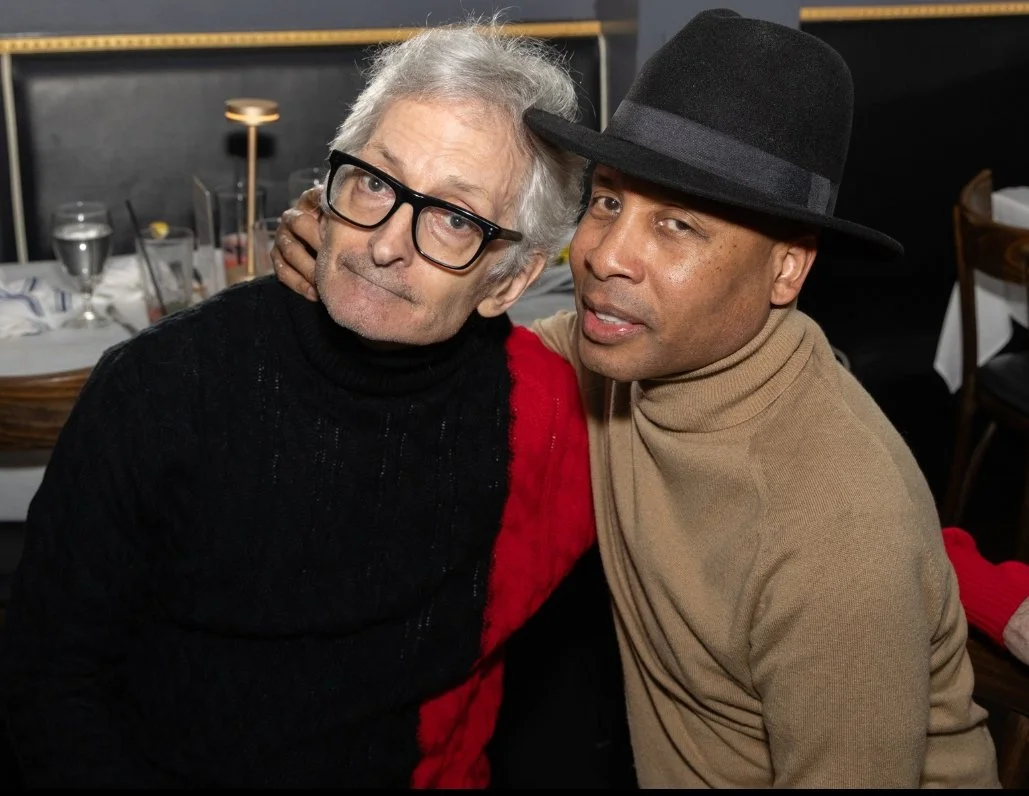
Filmmaker, Writer, Director, Artist. Robert Monegan is a filmmaker, writer, director and an illustration artist. Thaddeus Williams is a web/graphics designer, pianist, and former choir director. They are also a NYC based married couple who live daily with the effects of Parkinson’s disease. In this two-part interview, you will learn about their lives before and after diagnosis, effects of long-term illness on life, and see how love is the best band aid for ailments.
* Photograph courtesy of Dan Lane Williams: dlwphotographynyc.com
Interview with Robert Monegan and Thaddeus Williams - Part 1
Interview with Robert Monegan and Thaddeus Williams - Part 2