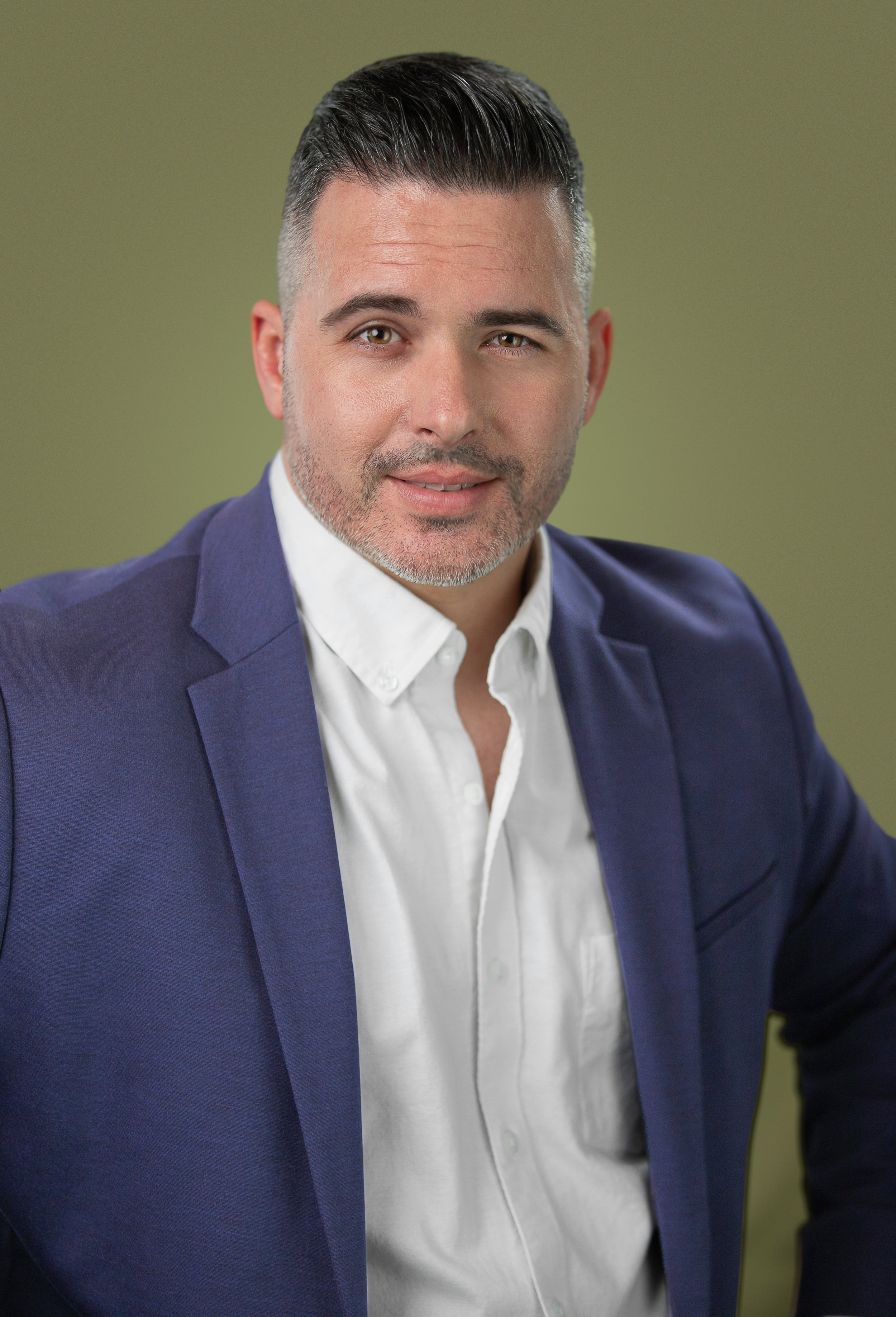
ACTOR/ARTIST JEFF CLARK JR.
Jeff Clark, Jr. is a SAG-AFTRA actor and Emmy nominated art director originally from Penns Grove, NJ. His theatrical training started in NYC at Sanford Meisner's school, the Neighborhood Playhouse where he studied under Gary Kingston and Richard Pinter. Jeff is best known for his principal roles on Law & Order, Law & Order: Organized Crime, and Godfather Of Harlem. More recently, Jeff was selected for Jason Alexander's five-day masterclass at the Lighthouse International Film Festival. The training was followed by a live performance at the Surflight Theatre to an audience of over 400 people. Finally, most may not know this – but Jeff creates artwork that has been selling to folks all over the fifty states. Thrilled that we got to chat. More details on Jeff are here: Jeff Clark, Jr. | Actor
Watch our interview here: https://www.youtube.com/@sandyb1ful
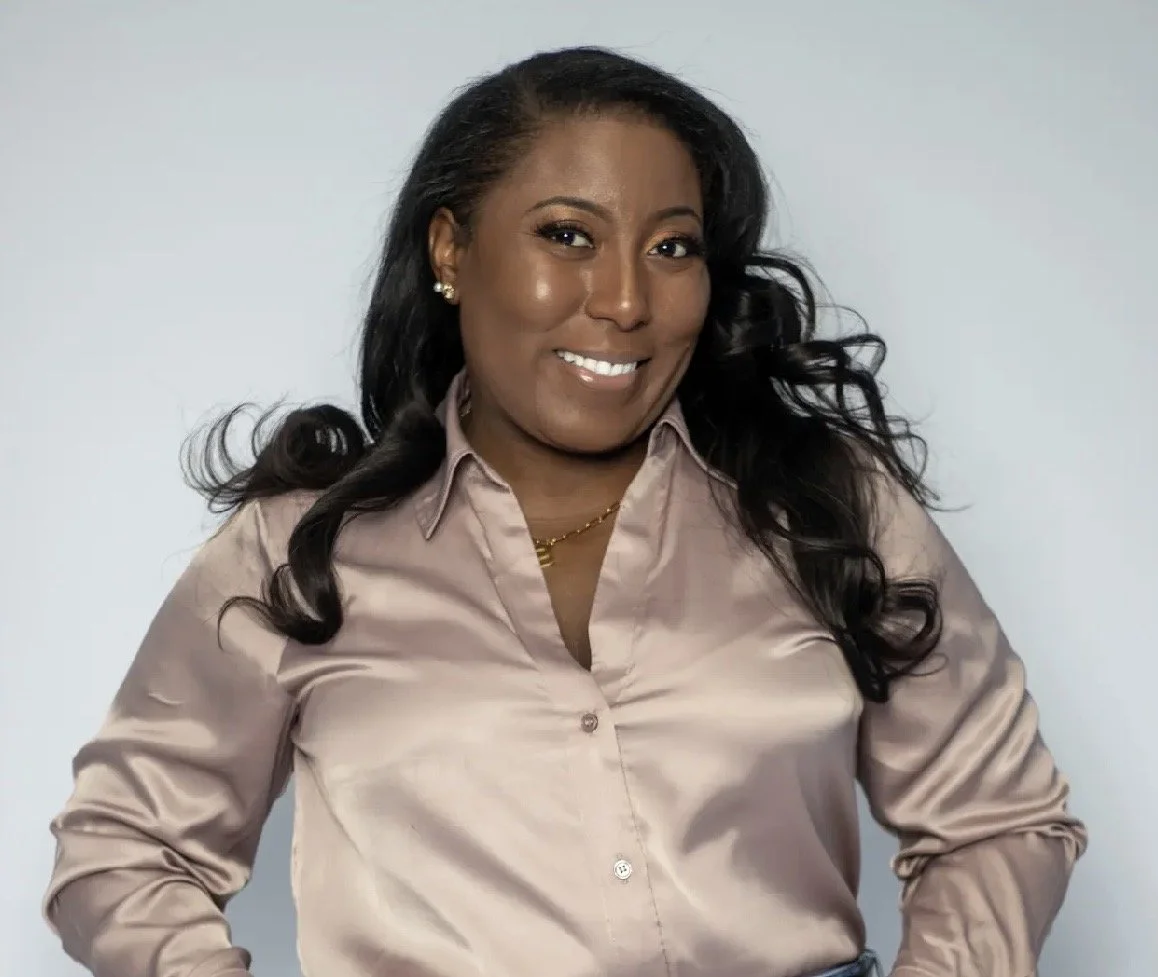
Author/Journalist Nicole Sade
Nicole Sade’ is an author, blogger and award-winning journalist. Her luxury lifestyle blog inspires, uplifts, and encourages women with fun and relatable content centered on culture issues, relationships, careers, mental health and wellness and success stories of millennial women of color. She then wrote her first novel, No Room for Trust. She has also written for several publications including Birmingham Times, Reckon South, Forty Magazine, Red Pash Magazine, CampusLately and more. Truly an educational experience doing this interview.
You are based in Alabama, which I realize is best known for elements such as civil rights legacy, rich history, agriculture and space exploration. This would lead one to believe that the art element is less significant - so can you speak on that a bit?
Being based in Alabama is actually one of the most inspiring parts of my work. While the state is often recognized for its civil rights legacy, history, and even agriculture, what people do not always see is that art is woven into all those things. Storytelling is our art form here. From writers and poets to photographers, digital creators, and independent media platforms, Alabama has a thriving creative community; it just is not always amplified on a national level. I think that is where people like me come in. Through my platform and my work, I intentionally highlight voices, stories, and experiences that deserve to be seen. Hence, art is not lacking here; it has just been underrepresented, and I am committed to helping shift that narrative.
You and I are both award winning journalists. If I were to ask you what your definition of effective journalism is, what would you say? Further, how do you feel that independent media can influence others in a good or negative manner?
Effective journalism, to me, is rooted in truth, clarity, and responsibility. It is not just about reporting what happened; it is about providing context, asking the right questions, and understanding the impact that information will have on people. As journalists, we don’t just inform, we influence. That’s why integrity is everything. When it comes to independent media, it is powerful. It gives a voice to people and communities that traditional media has historically overlooked. It allows for more authenticity, more cultural awareness, and more direct connections with audiences. Now, with that freedom also comes responsibility. Independent media can influence people in positive ways by educating, empowering, and creating space for honest conversations. On the flip side, it can also contribute to misinformation if creators are not doing the work to verify and present accurate information. It really comes down to intention and ethics. Just because you can say something doesn’t always mean you should - and that is a standard I hold myself to in everything I produce.
I understand that you have taught writing in a classroom setting. How do you feel that you serve to be impactful in that area that differs from your work as a writer?
Teaching and writing are both forms of storytelling, but the impact shows up differently. As a writer, I am speaking to an audience that may never meet me, but they feel me through my words. My writing allows me to spark thought, challenge perspectives, and connect with people on a deeper level. In the classroom, it is more direct and personal. I am not just teaching students how to write, but also helping them find their voice, build confidence, and understand the power of their perspective. This is especially important to students who may not have seen themselves represented in the media until now. While my writing creates impact at scale, teaching allows me to create impact in real time. Honestly, that is something I don’t take lightly.
I saw that you have studied psychology. I imagine that this then allows you to combat misinformation from being fed to audiences, as I realize you understand cognitive biases better than most. How have you learned to protect your own mental health during these tough times?
Studying psychology definitely changed how I engage with information and the world around me. It taught me that people don’t just believe things because they are true; they believe them because they feel true. Cognitive biases, emotional triggers, and personal experiences all play a role in how information is received. Because of that, I am very intentional about what I consume and what I produce. As far as protecting my mental health, I have learned the importance of boundaries. I don’t feel the need to engage with everything, respond to everything, or internalize everything I see online or in the media. I take breaks, I disconnect, and I pour into things that keep me grounded whether that is my faith, my work, or simply stepping away from the noise. You can’t pour into others if you are mentally drained, and I have made a commitment to protect my peace just as much as I protect my purpose.
Your latest book, Ladies How Did We Get Here, officially released on March 22, 2026. I would love it if you could tell us more about the concept and inspiration behind this writing? Now that you have completed more than one book, has your process and promotion changed at all?
Ladies, How Did We Get Here was born out of real conversations, real experiences, and honestly, real frustration. I kept seeing patterns of women settling, overextending themselves, accepting less than they deserve, and not always understanding why. This book is about unpacking that. It explores the societal, cultural, and personal factors that have shaped how millennial women approach dating, relationships, and self-worth. This book is not about judgment; it is about awareness and growth. As far as my process, it has changed tremendously. This time around, I was a lot more strategic and intentional. I did not just write the book; I built a plan around it. I have invested more into marketing, advertising, and PR because I truly want this book to reach and impact as many women as possible. The message is too important for it to just sit on a shelf.
Beyond libraries, will readers be able to meet you in bookstores, coffee shops or book festivals?
Yes, absolutely. I love the idea of creating a vibe where women can come together, have real conversations, and feel seen. Beyond that, I do plan to go on tour. This is not just traditional stops like libraries and bookstores—I want to be in college classrooms, at speaking engagements, and in spaces where these conversations are needed the most. This book is not just something to read; it’s something to experience.
Now that we are more into 2026, what other endeavors will you embark upon?
2026 is all about expansion for me. I plan to publish another book, continue attending and participating in more events, and position myself in spaces that align with my purpose. That includes being featured on media outlets that allow me to reach broader audiences and have meaningful conversations. I am also very interested in being published in academic and professional journals, as well as continuing to grow within higher education. Teaching is something I’m passionate about, and I want to deepen my impact within that space. Overall, this year is about elevation - elevating my voice, my work, and the communities I serve.
More details can be found here: Nicole Sade’
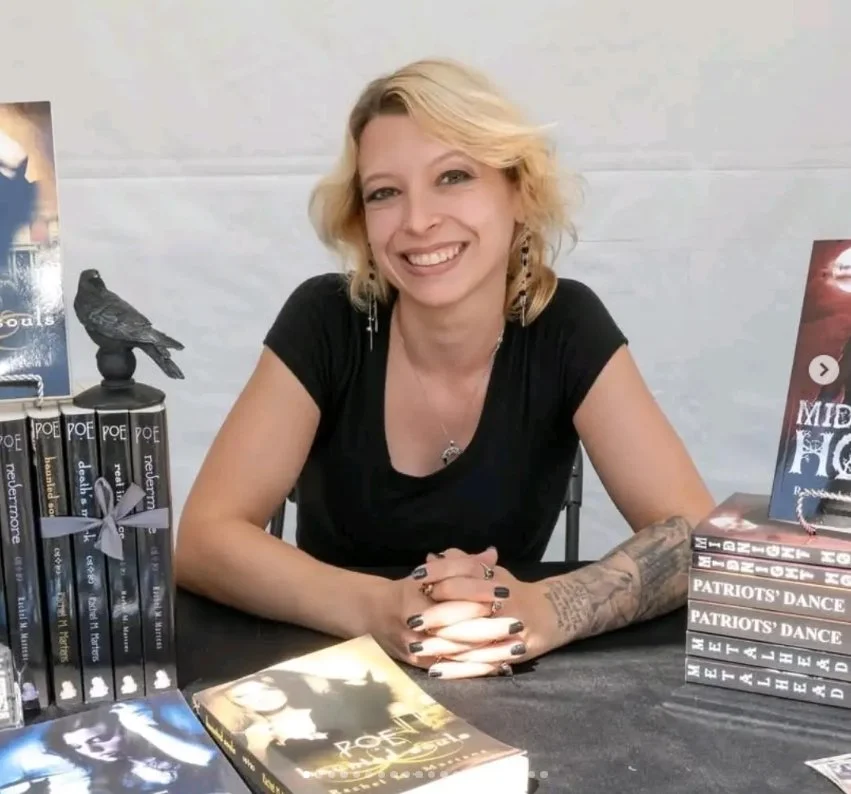
Author Rachel Martens
Rachel M. Martens is a Wisconsin based writer who penned the Poe gothic thriller series, including Poe: Nevermore (2013), a First Place winner in Chanticleer Book Reviews and Media’s Paranormal Awards, as well as the short horror collection Midnight Hour (2017), the YA romantic thriller Metalhead (2019), and the conspiracy thriller Patriots' Dance (2024). Her short fiction has also appeared in the anthologies, Twisted Love (2021), Stranger Than Truth (2021), and Anthology of Campfire Stories (2025). We met at Milwaukee Horror Con, and I was thrilled that she wanted an interview.
I find it fascinating that you are one who does writing in the midnight hours. I say this because it is widely known that the brain is normally at its sharpest in the morning. How do you minimize distractions or defeat fatigue to fuel creativity at that time?
I have always been a night owl and actually do some of my best thinking, especially writing, after dark. I think there is something in the darkness, the quiet, and the solitude that help my brain let go of any of the real-world things it spins with during the day. This allows me to focus on the fictional worlds I write in. Fatigue is sometimes a problem, and if a little caffeinated tea is not enough to fuel me, I accept that whatever I was working on was not ready to come to the page just yet anyway. When the writing is flowing and the scene is right, though, the high of good writing can carry me through all night. About 90% of my most recent book, "Poe: Living Tomb," was written like this in large ten thousand plus word chunks typed sometime between the hours of 4:00pm and 6:00am.
You have been very open about not posting often on social media. Nowadays, being active on these platforms is crucial to building your brand. Has this choice ever had a negative effect on you as an author?
I will admit to eyeing the number of Amazon reviews garnered by certain Book Tok success stories quite jealously, but not enough to spend more time on social media. All authors would love to be able to reach more readers (me included), but I have found that social media is not good for my mental health and, by extension, my writing. For now, I am prioritizing the writing itself and convention appearances, where I can meet new readers personally and build a cult following from the ground up. Maybe if I can get better at opening up Instagram just for marketing, not doomscrolling, I will start posting more.
We are both Wisconsinites. From your perspective, does our state offer a great deal of incentives or inspiration for writers as a whole? Secondly, please share some of your favorite events you have participated in here so other writers can attend them.
I absolutely find inspiration here, and I have attended some pretty special events. When I was in high school, a very supportive English teacher took me to the Creative Writing Festival that UW-Whitewater holds for young writers. This was my first experience at a writing conference and my first experience publicly reading a story I wrote. It was a huge deal for me and I highly recommend it. A lot of Wisconsin's communities and small bookstores host local author book fairs, and some of which I have attended with my books. I've also found the many craft fairs Wisconsin offers to be very welcoming to authors looking to sell books. As a horror writer, I had a booth at Milwaukee Horror Con the last two years and really loved that experience. Personally, though, my inspiration comes from the Northwoods, the quiet, clean air and the black skies full of stars. I love traveling for my writing and meeting readers, but real peace grounds me and gives my mind the space it needs to create, and I find that at home deep in the woods here in Wisconsin.
I often see you credit your husband Jordan for the many ways in which he supports you. Tell us more about him, and also, how he has helped in part to shape you into a more successful professional?
I could not have asked for a more supportive husband than Jordan. We have been married nine years and have been through a lot together. He is the kind of person who is truly a rock. That phrase gets used a lot, but in this case, I really mean it. Jordan is an immovable object in the face of any and every unstoppable force. Nothing shakes him. I am an overthinker and my brain tends towards worst-case scenario thinking (which is an unfortunate side effect and an asset to writing thrillers). Jordan does not overthink and is amazing at helping me calm down and think clearly, no matter what, which really has made me a stronger person and a stronger professional. He never doubts that I can do something, and when I am really stuck, he helps me work through it. Writer's block, nerves about social situations, procrastination...whatever is dragging me down, he is always there to help cut me free. I bounce ideas off him when I'm struggling with a snag or a block writing, and I credit him with helping me troubleshoot several huge snags in my recent books. He knows how to make me laugh when I need it most and he always believes in me. He travels with me to almost every convention and event I bring my books to, helps me haul all these heavy books around, and sits with me all weekend telling everyone who will listen about these books his wife wrote. He's wonderful and having that kind of support has been invaluable to me, as I am pursuing the kind of career that only works if you commit fully and believe in yourself entirely. I never would have finished "Poe: Living Tomb" without his support. We had a few extremely helpful brainstorming sessions together, coupled with his emotional support and presence in my life. I really can't say enough nice things about him. I love him to death.
Would you recommend that most writers join a writer's association, and if so, why? Are you also joining the Writers Guild?
As a generality, I don't put much stock in writers' associations, especially for indie authors like me who often don't meet the membership criteria or only qualify for a lower membership tier that includes less benefits. My perspective on these is that their main benefit is credibility, which can be very important in the old guard traditional publishing world in which writers' associations were born. In the indie publishing world, though, a typical reader doesn't know or care about what associations a writer may be in at the moment. It matters only that they can find your book and get excited enough about it to jump in and read it.
With that in mind, rather than a writers’ association membership, I focus my networking efforts on conventions and craft fairs. This is where I can interact directly with new readers across the country, and some of whom become diehard fans who buy every new book and recommend it to everyone they meet. Others are valuable industry connections I can secure organically just by being myself and sharing my books with them without any gatekeeping or membership dues involved. I will not namedrop, but by being a vendor at a recent horror convention I had a chance to have a real conversation with and befriend someone who played Ghostface in a "Scream" movie. Now, that new friend has bought one of my books. I cannot make friends like that any other way, no matter what writers associations’ I may join – however, at a convention it’s natural. I have also made connections with indie filmmakers, convention runners, audiobook narrators, graphic artists, podcasters/media personalities, and of course - other writers. I met some incredible people at Poe Fest International, where Poe fans gather from around the world. Maybe there is a value in a membership with groups like the HWA or the Writers Guild, and I may join one or two of those groups someday. For now, I just try to be authentically myself and place my books in the hands of people who will love them.
Your written work is within the thriller/horror genre, which has been experiencing an uptick in sales. What is it about this type of prose that you appreciate? Additionally, your catalog of books contains one paranormal romance. Might you gravitate more towards this type of writing down the road?
I love thrillers. There is something about the raw emotion and the power that comes from fighting incredible odds alongside the characters that have always called to me, and I think that's what calls to a lot of horror/thriller fans. I love the high stakes of horror, and I love the strength that comes from facing fear and walking away alive and wiser. Even as a little kid, I would write picture books that had housefires and skeletons walking around in them. I occasionally read and write lighter things, but the life-and-death plotting of thrillers is my passion. I do have a paranormal romance in my catalog called "Metalhead" which I am working on a sequel for, and I am sure I will write more paranormal romance in the future. All of my work has at least some element of romance, including my horror writing. I do enjoy writing romance, as well as other genres like fantasy and sci-fi. The trick is that I can't seem to help myself; for even in my romance writing, I always end up with a tragic backstory and a villain who gets brutal justice. Maybe I ought to give dark romance a shot...now there is a genre trending right now.
You have said that Poe: Living Tomb was your hardest book to write. Can I ask why, and approximately how long it took you to complete this piece?
"Poe: Living Tomb" was difficult because when I first started working on it, I did not really understand what it was about and the misunderstanding I had didn't fit with where I was in my head. I had a very detailed outline for it, which is more than I usually have when I start a book, and I thought it was going to be a fairly typical detectives-hunting-a-serial-killer story. The main character, Poe, was at a pretty good place in her life at the start of the book and feeling strong and confident, and I thought this book would include some difficult moments for her but would mostly be a continuation of the upward trajectory of her character arc. None of this fit with my personal life at the time, which is a problem because I feed a lot of my emotions into my writing. I was dealing with a lot of self-doubt, fear, and sadness, and missing deadlines for the project because I was blocked on it only made it harder. I couldn't connect with the story while I was feeling all that. Including procrastination and angsting, this book took a little over a year to write, but almost all of the actual writing happened in less than two months, after the story started to click for me. What broke the dam was realizing that "Poe: Living Tomb" wasn't as cut-and-dry of a story as I expected. It was actually at its core a story about how recovery is not linear and about how sometimes things in life go catastrophically bad, and we have to choose to keep fighting anyway. That is what I really connected with; that no matter how life kicks us while we are down, we can still choose to stand up, spit out the blood, and come back for another round. This book was grueling to write, but in the end my main character, who has been through absolute hell and battles crippling depression, chose to literally claw her way out of a grave rather than give up. If she can do that, I can do anything. In the end, this was the hardest book I have written, but also the most personally rewarding.
How has Edgar Allan Poe left a handprint on your personal publications?
Edgar Allan Poe is everywhere in my work. He is the inspiration behind the plot of my "Poe" series, which is about a young woman who discovers Edgar Allan Poe's direct descendent that has inherited a family curse that takes the form of his stories. In those books, Edgar appears as a minor character in the form of a ghost trying to assist his descendant, and his stories come to life in twisted, modern forms to haunt the main character. The biggest impact Edgar Allan Poe has had on my work, though, would be in how his style and philosophy have informed mine. The similarity in subject matter is obvious, of course, but so much of the way that I write is because of things I learned reading Poe. I feed a lot of raw emotions into my writing like he did. My plotting and story arcs are very character-driven, and my characters are flawed, human, and often not entirely sane. My writing style is not just first-person like Poe's typically was but also can be very stream-of-consciousness in its pacing, like his. Just like Poe, I choose to write about incredibly intense and emotional moments in characters' lives and not to shy away from the darkest aspects of those moments. None of this was intentional, by the way, but looking back at my own work I can see the weight of Poe's influence, and I am grateful to him for making me the writer I am.
Finally, are there any other upcoming events or endeavors for 2026 you wish to mention?
After Louisville Horror Con, I will be taking a break for a few months to focus on writing before getting back to traveling for spooky season this fall. I have a lot of work in progress I am eager to give some attention to, including the sequel to "Metalhead," the final installment in the "Poe" series, and a new project I am working on which is a horror series set in the Northwoods of Wisconsin. I am looking forward to a quiet summer and hoping that when I hit the convention circuit again this fall it will be with one or two new books in tow.
More information on Rachel is here: HOME | Rachel M. Martens - Author
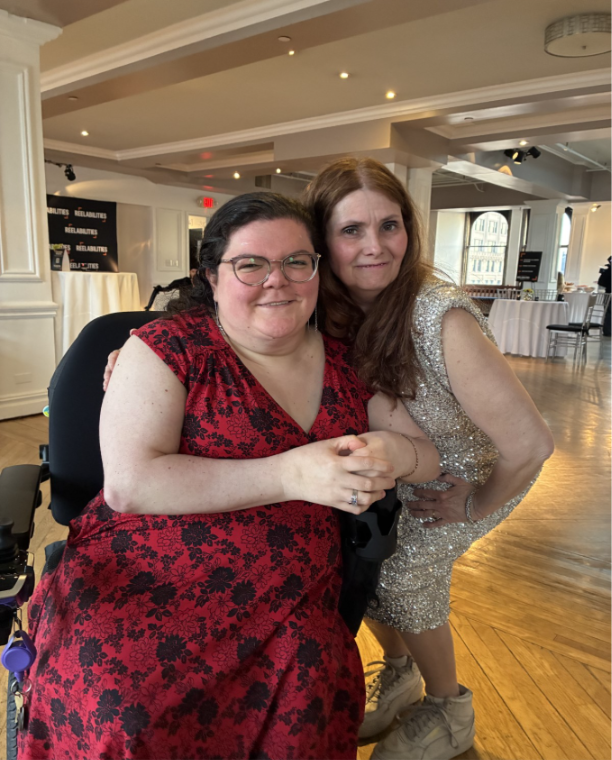
Emily Ladau – Author, Activist and Consultant
Emily Ladau is a prominent disability rights activist, author, and digital communications consultant known for her advocacy work and her book, "Demystifying Disability." She was born with Larsen syndrome, which is a genetic physical disability. She grew up on Long Island, New York, and began her advocacy journey at the age of 10 when she appeared on several episodes of Sesame Street to educate children about her life with a disability. Emily graduated with a B.A. in English from Adelphi University in 2013, where she was later recognized as one of the university's 10 Under 10 Young Alumni in 2017. She has held various roles in the publishing industry, along with being the co-host of The Accessible Stall Podcast. Her writing has also been featured in The New York Times, CNN, Vice, and HuffPost.
She was so incredibly helpful and kind to me during my time at ReelAbilities Film Festival, and thankful for our connection. Here is our interview: https://www.youtube.com/watch?v=hyGnDr7k1qU
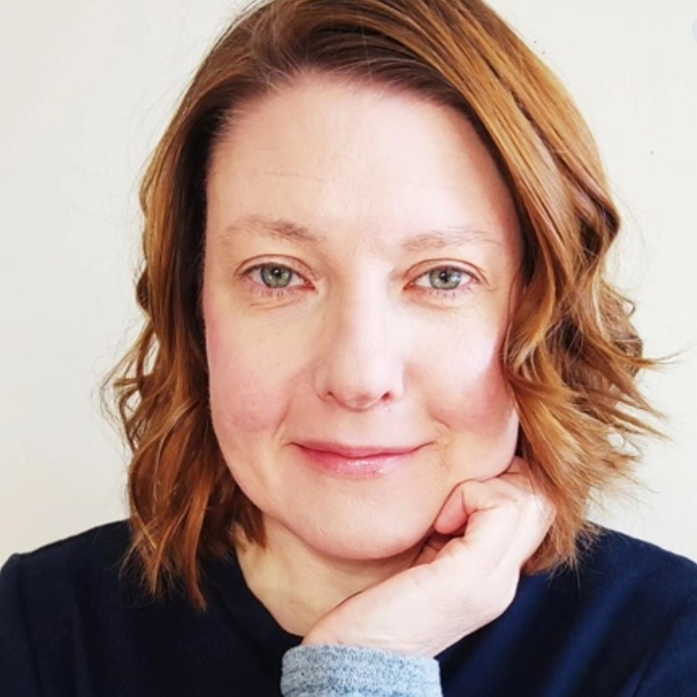
Artist Tessa Koller
Tessa Koller is an artist and fashion designer. She earned her BFA from the Milwaukee Institute of Art and Design in 2008, and took on a full-time fashion design/art career. Within Tessa’s design work in both painting and fashion, she shows the unique elements of nature.
Most recently, Tessa was published in a book titled Positively Rare(on Amazon) with twenty-five other authors from around the world. A woman named Erin Paterson, with Huntington's Disease from Canada, started the project and invited her to participate as a contributing author. The chapter written by Tessa is about a near-death experience she endured a few years ago.
To watch our interview, visit: https://www.youtube.com/watch?v=Ol9qJ60b32w
More on Tessa is here: https://www.instagram.com/tessakollerart
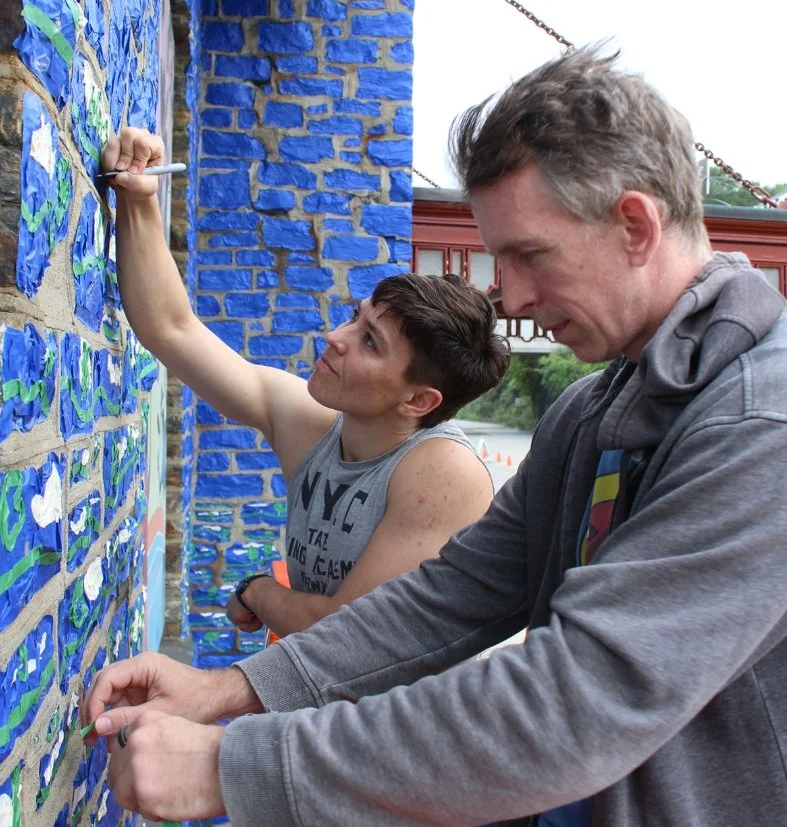
Tape Artists and Advocates of Art, Leah Smith and Michael Townsend
Leah Smithand Michael Townsend are the current Tape Art duo traveling around the USA and the world to make BIG art. They are also dance partners who do video, installation, and sculpture projects when not pressing tape against walls. Leah lifts weights, has all the muscles and loves Asian action movies. Michael is a champion at long cross-country driving and loves chasing records in endurance video gaming. He is also one of the cast members of the recently released Netflix documentary, Secret Mall Apartment. Loved my time with them. To watch the interview, go to: Interview with Michael Townsend and Leah Smith from Netflix's Secret Mall Apartment and Tape Art
Additional information on Tape Art and the film is here: Tape Art | Murals, Workshops, BOOM! Projector and Watch Secret Mall Apartment | Netflix
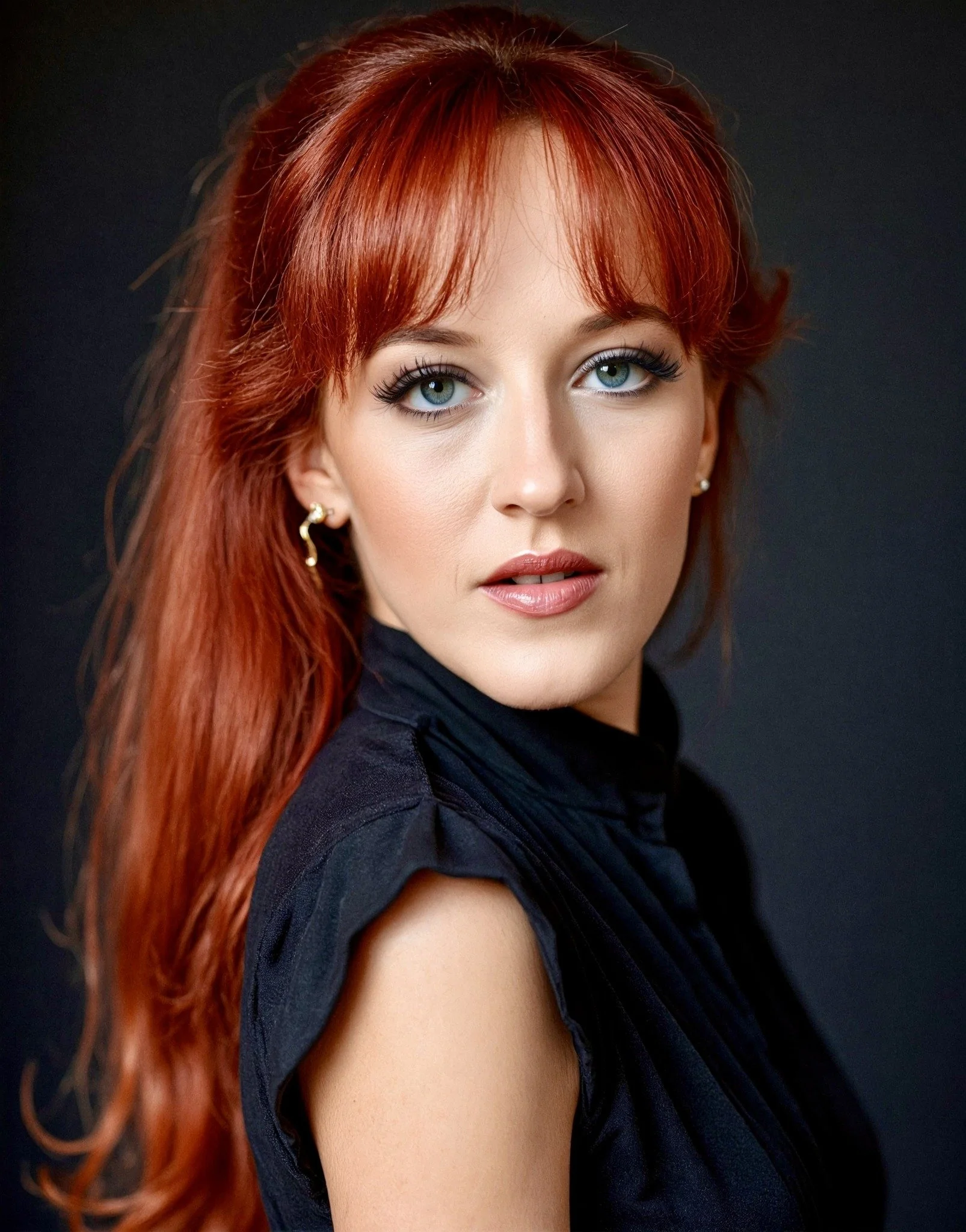
The Vale Between Worlds: Leslie Anne Lee and the Stories That Wouldn’t Let Go
Written By Dan Hawk
Somewhere between a childhood full of second place ribbons and a closet crammed with more books than clothes, Leslie Anne Lee became the kind of writer who refuses to quit. Not just at the page, but in life. She writes with a voice sharpened by grief, softened by motherhood, and powered by a stubborn belief that stories (if they are honest) can save something in us. Maybe even the best part.
Her Legends of the Vale series began with a dare. This was not from a publisher or critic, but from a friend. Phillip, one of two men who served as creative catalysts in her life, challenged her to leave historical fiction behind and build a world entirely her own. The result was Child of Dawn.
Book I: Child of Dawn
It begins with a boy by the name of Dagsbrun who shouldn't exist. He is half vampire and half elf, raised in exile, and feared by both tribes. He longs for peace but carries hunger in his blood. Then, along comes Anda - fiery, unstable, and unknowingly bound to him by prophecy. Their collision sparks not just a romance, but a rebellion. For readers, this is where it all starts. The heartache. The hunger. The hope that maybe even broken things can save a world. Dagsbrún is not just a protagonist. He is Leslie’s reflection, shaped by doubt and defiance. He dares to belong, and that alone is revolutionary.
Book II: Silken Waters
If Child of Dawn is about claiming identity, Silken Waters is about the uneasy weight of peace. The story pivots to Rennault, a vampire pirate forced to navigate fragile truces and unexpected allegiances. The political tension pulses beneath the romance, but what lingers is the moral ambiguity: What do we owe to the world we helped break? This second installment is darker and more introspective. It reflects a Leslie shaped by experience motherhood, loss, and the quiet knowing that not all wounds close cleanly.
With every book, Leslie didn’t just build a world; she built a brand. Book signings, speaking gigs, and screenplay adaptations are all steps that became a brick in the business of being Leslie Anne Lee.
Book III: The Ashwalker
What was supposed to end the series only deepened it. Grieving the loss of her creative partner, Hunter, Leslie split one final book into two. The Ashwalker becomes the most emotionally charged installment yet. Power surges. Old myths fracture. Buried truths rise with teeth. A mysterious girl with no past. A betrayal no one saw coming. A pivotal question echoing across realms: Can legacy be rewritten, or does it always burn down the house? This is Leslie writing on the edge of grief and love, and it shows.
The Writer Behind the Worlds
She began making books before she could fully spell her name, dictating stories to her mother, illustrating them with crayons, and stapling them into shape. In high school, she skipped class to write in the library. She still writes that way from instinct, from grit, from a place that doesn’t ask for permission. Yet, for all her boldness on the page, Leslie still wrestles with doubt. “You learn how to argue with it,” she says. “When we are first starting off, it wins more. However, as time goes on, we learn how to fight back.”
She never set out to write fantasy. She didn’t know "romantasy" was a genre. When someone suggested she adapt her novel into a screenplay, she did not hesitate. She taught herself. Wrote the script. Figured it out. This is what Leslie does.
A Woman. A Mother. A Force.
In the publishing world, Leslie is used to being underestimated. She comes from a conservative town where film and writing are still male dominated pursuits, but she doesn’t back down. Not when the odds are long and the room is full of gatekeepers. “I don’t expect them to believe me just because I say it. I prove it.” She teaches her daughter the same lesson: the world won’t always make space for you, so you make space for yourself. When her eleven-year-old son says he wants to be a writer like his mom, she lights up-as that is the kind of legacy that matters.
The Characters She Carries
Dagsbrún is more than a protagonist. He is Leslie's first true mirror on the page. A hybrid caught between worlds. A quiet boy with sharp instincts and invisible weight. He isn’t flashy. He doesn’t scream. He endures. Anda, his counterpart, is chaotic, intuitive, dangerously magical. If Dagsbrún is restraint, Anda is release. Together, they form the tension Leslie knows well: the need to protect versus the desire to unravel. Rennault, the pirate from Silken Waters, is a man trying to be good in a world that rewards cruelty. Leslie understands him too. These are not archetypes, but rather emotional truths in disguise. Dagsbrún’s self-loathing. Anda’s explosive longing to be seen. Rennault’s quiet guilt. Each one holds a mirror to the reader’s own hidden ache.
The Creator
Leslie Anne Lee doesn’t write to be liked. Leslie writes to earn it, and she does. With stories that bleed, characters who whisper your secrets, and worlds that feel like they have always existed just waiting for you to find them. Her latest book, The Ashwalker, is out now. If you’ve ever felt like an outsider, or longed for magic that doesn’t require permission, start at page one. Leslie will meet you there. For aspiring writers, Leslie often shares behind the scenes looks at her writing process and upcoming events on her website - making her not just an author, but a mentor in plain sight. Her path is not paved with formulas. It’s carved by showing up. Writing anyway. Learning out loud. For anyone dreaming of a writing life, Leslie’s journey offers a blueprint rooted in guts, grace, and green lit grit. For more on upcoming events, book signings, or her film adaptation in progress, visit: www.leslieannelee.com
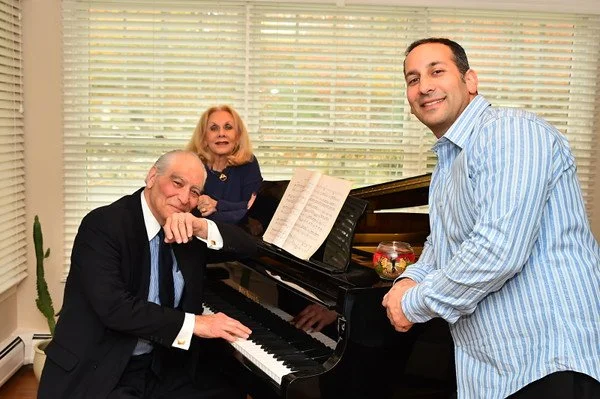
Harris Kligman
Harris L. Kligman embarked on his writing odyssey from his home in North Stamford, CT. For an entire decade, this unassuming abode served as his creative haven, fondly referred to as the "downstairs dungeon." Within these unpretentious confines, he diligently labored amidst Spartan surroundings—a bare floor, a rickety chair, and an aging Windows desktop PC that Microsoft had long forsaken in terms of updates. Harris Kligman's storytelling wellspring drew from a deep reservoir of life experiences, including his globe-trotting adventures, an extended residence in South Korea spanning four and a half years, and a twenty-year tenure as a Reserve Military Intelligence officer with the United States Army. In sum, Kligman's literary repertoire boasts an impressive collection of approximately eleven novels, five children's stories, and numerous short stories, each contributing to his literary legacy.
As 2024 unfolds, the literary treasures cultivated during those ten years in the "downstairs dungeon" persist in captivating audiences worldwide. Fresh titles, including "A Woman To Die For," emerge to enrich the literary landscape, promising more captivating stories and enduring narratives for readers to savor.
Listen here for our interview: Interview with Rob and Harris Kligman